


The Best Cross-Organisation Collaboration Award
For leaders who demonstrate kindness, humility, and resilience.
Voting is now closed. The winners will be announced on the main stage at the International Forum in Oslo on Wednesday 11 March at 15:30.
The Best Cross-Organisation Collaboration Award Winnter
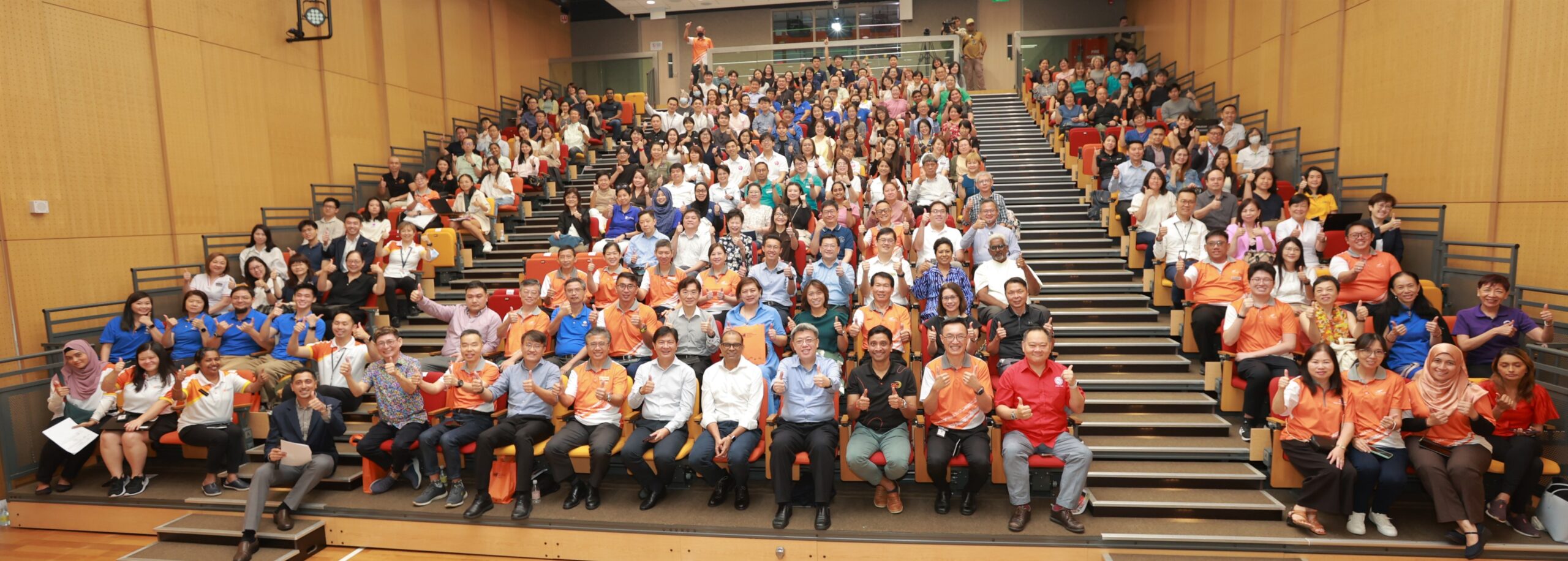
Singapore Health Services
The Evolution of Community-Based Care: From “Neighbours for Active Living” to Integrated Community Care Teams
Background
Singapore’s aging population and rise in chronic diseases prompted a shift from hospital-centric care to resilient, community-based systems. SingHealth, in collaboration with healthcare, social, and community agencies, embarked on a journey to transform care delivery to address immediate needs while building a resilient, future-ready health promoting system.
A Community-First Beginning
“Neighbours for Active Living” was established in 2013 with a simple idea: neighbours are often the closest support when family isn’t nearby. The programme placed care staff trained in healthcare and social work right in the heart of neighbourhoods working in partnership with community partners to integrate health and social care. They visited homes, connected seniors to services, and trained volunteers to support those in need. Our collaborators came from diverse backgrounds including grassroots organizations, religious groups, schools, public agencies and private companies.
In 2020, the Wellbeing Coordinators (WBCs) role, made up of lay extenders specially trained to support our residents, was formalized incorporating staff from the Neighbours programme. WBCs became trusted connector between residents and the healthcare system, bridging residents to preventive health, chronic disease management and social support.
Between 2021 and 2023, WBCs supported nearly 2,794 clients (90% seniors aged 60+). The results were compelling:
Mean Emergency Department visits per client fell by nearly half (from 1.59 to 0.82)
Mean Inpatient admissions dropped by more than 50% (from 1.36 to 0.58)
Mean length of hospital stay reduced by over 50% (from 10.5 to 4.9 days)
Community Nursing in the Heartlands
At the same time SingHealth expanded its reach to the community by placing community nurses within neighbourhoods since 2018 to support for residents with complex care needs.
In a cohort of 1,616 residents who were first served by the community nurses in FY2020, there was a noticeable improvement in the following clinical indicators with the improvement maintained up to 12 months:
46% decrease in odds of having poor medication adherence at 6 months
67% decrease in odds of having unacceptable blood pressure (≥140/90 in mmHg) at 6 months among residents with hypertensin at baseline
1.13 mmol/l decrease in capillary blood glucose levels at 6 months among residents with diabetes at baseline
The Healthier SG Teams: Advancing Integrated, Place-Based Care
Based on these successes, SingHealth decided to leverage on the strengths of our community nurses and WBCs to deliver holistic, person-centered care by forming integrated community care teams known as Healthier Singapore (HSG) teams.
HSG Teams are made of a core team of primary care providers, community nurses, WBCs and community partners that provide health and social care across our residents’ life course. We currently have more than 30 teams providing place-based care, embedded within geographically defined zones with deep understanding of the needs and aspirations of their respective communities. The team focused on preventive care, chronic disease management, and early intervention for high-risk individuals, enabled by digital health solutions and shared protocols to enhance the responsiveness and connectivity of care. Community partners across the health, social and related sectors (e.g. built environment etc) are engaged at the strategic leadership level (through our Community Partnership Council), local and individual levels. Working together co-design and co-produce solutions so that they are grounded in real-world needs.
Through coordinated and targeted interventions, the multidisciplinary HSG teams has demonstrated early improvements in term of healthcare utilisation reduction and chronic disease management.
Lessons Learned
Cross-Organisation Collaboration: Strong partnerships across healthcare and social sectors created a seamless support network for seniors and vulnerable populations. The ‘secret sauce’ for these collaborations is the authentic relationships that have and continue to be developed.
Digital Innovation: Technology for virtual outreach, remote monitoring, and digital therapeutics enabled timely interventions, reduced unnecessary hospital visits, and strengthened continuity of care. Digital tools also empowered seniors to manage their own health.
Workforce Development: Investing in roles like WBCs and Community Nurses with clearly defined competency frameworks and career development roadmaps bridged clinical and social domains, creating a scalable and adaptable workforce.
Scalability & Global Relevance: The model’s place-based, person-centred, multi-sectorial approach can be adapted for local communities across diverse regions and cultures.
The evolution from Neighbours for Active Living to Wellbeing Coordinators and its integration with Community Nursing, primary care providers and community partners as part of the Healthier SG Teams reflects Singapore’s proactive approach to integrating health and social care (enabled by integration of physical and digital assets) for an ageing population. By empowering communities and building strong cross-sector partnerships, this model achieved tangible health outcomes while restoring dignity and social connection for seniors. Through its emphasis on integrated holistic care through community engagement and empowerment, it offers valuable lessons for healthcare systems worldwide.
The Best Cross-Organisation Collaboration Award Shortlist

NHS Education for Scotland
Team Purpose
The Quality Improvement (QI) Team at NHS Education for Scotland (NES) demonstrates exceptional cross-organisation collaboration, delivering measurable improvements in care quality, safety and experience through inclusive, system-wide partnership working. Their approach transcends organisational, professional and national boundaries, enabling sustainable improvement that is locally meaningful and nationally impactful.
The NES QI Team has made a tangible and sustained contribution to healthcare quality and safety across Scotland through the design and delivery of nationally recognised Quality Improvement learning programmes. These programmes equip staff with practical skills to design, test and embed improvements that directly influence patient safety, care pathways and service experience.
Equity and inclusion are integral to the team’s work. Programmes are open to a wide range of professional groups across health and the wider public sector, including those who may not traditionally have access to leadership development opportunities. This inclusive approach breaks down silos and ensures diverse perspectives are represented and valued.
Flagship Programme
A flagship example is the Scottish Quality and Safety Fellowship (SQS Fellowship), a programme designed to develop leaders with the skills to deliver positive, person centred, high-value change in the complex world of health and care. Now in its 18th year, the Fellowship has supported 464 Fellows and is co-designed and delivered through partnership between national organisations. This ensures alignment of strategic priorities while allowing flexibility to meet local needs.
The Fellowship’s approach to developing clinicians as leaders of complex change has been recognised in the peer-reviewed literature, including the publication “Training clinicians to become leaders of complex change: Lessons from Scotland” in Pediatric Anesthesia.
Collaboration extends well beyond Scotland. Fellows have participated from ten countries, including Scotland, Northern Ireland, the Republic of Ireland, Norway, Denmark, Canada, Australia and New Zealand. These long-standing international partnerships enable mutual learning, comparative insights and the exchange of improvement approaches across different health systems, strengthening outcomes for all involved.
The Fellowship brings together doctors, pharmacists, nurses, allied health professionals, managers and policy colleagues, united by a shared commitment to quality and safety. Participants undertake a two-year journey, with residential learning in the first year covering four core areas: improvement science, human factors and ergonomics, service design, and leadership. This combination builds technical improvement expertise alongside skills in negotiation, team-building and coaching. Fellows are required to apply this learning through real-world improvement projects within their own services, addressing pressing safety and quality challenges.
Projects are grounded in the needs of patients, families and communities, with a focus on reducing unwarranted variation and addressing health inequalities. By supporting meaningful engagement with people and communities whose voices are often unheard, the team ensures improvement work is person-centred and socially responsive. Demonstrable improvements in care delivery, reduced variation and enhanced patient and staff experience have been achieved, with learning shared widely across organisations.
Fellows are also funded to undertake a study trip in their second year to a healthcare or non-healthcare organisation demonstrating excellence in leadership for safety and quality. Learning from these visits is presented to senior leaders, with a clear focus on how insights can be applied to influence organisations or regions. Examples of study trips and associated learning can be found here.
Creating a Learning Culture
The NES QI Team embodies inspirational leadership by empowering individuals to lead change regardless of role, profession or seniority. Their philosophy recognises that leadership for improvement exists at every level of the system.
Through coaching, mentoring and peer support, the team builds social capital and trust, creating psychologically safe learning networks. Participants are encouraged to challenge the status quo, test new ideas and learn from failure. This approach strengthens confidence and capability, enabling participants to influence beyond their immediate remit and act as improvement leaders within their organisations and communities.
Reflection, evaluation and knowledge sharing are central to the team’s approach. Learning from improvement work is captured, shared and adapted across a range of international healthcare systems. Participants are supported to share what did not work, why, and how approaches were refined. This openness fosters continuous learning, resilience and innovation. The team itself models collaborative, compassionate and inclusive leadership, inspiring others to adopt similar approaches.
Impact
Graduates of NES programmes become part of enduring improvement networks, maintaining connections across organisations and continuing to share learning long after programmes conclude. This creates a multiplying effect, supporting long-term and system-wide impact.
A multi-method evaluation of the Scottish Quality and Safety Fellowship, published in BMJ Open Quality as “Multi-method evaluation of a national clinical fellowship programme to build leadership capacity for quality improvement,” demonstrates significant impact. Fifty-seven per cent of Fellows report career progression within one year of completion, often into senior or national leadership roles. Ninety-seven per cent report using their improvement skills “often” or “all of the time” three years after completing the programme.
Participant testimonials reflect this impact:
“Having completed the Fellowship myself, I have seen first-hand how the NES QI Team supports participants to translate theory into meaningful, measurable change that benefits patients and services alike.”
Amina Slimani-Fersia, SQSF Cohort 16 Fellow
Further testimonials are available in this podcast series.
Summary
The NHS Education for Scotland Quality Improvement Team is a powerful enabler of cross-organisation and international collaboration, delivering tangible improvements in care while building sustainable improvement capability. Their inclusive, reflective and internationally connected approach continues to inspire leaders at all levels and strengthen quality and safety across Scotland and beyond. They are highly deserving of recognition for Best Cross-Organisation Collaboration.
https://learn.nes.nhs.scot/22965
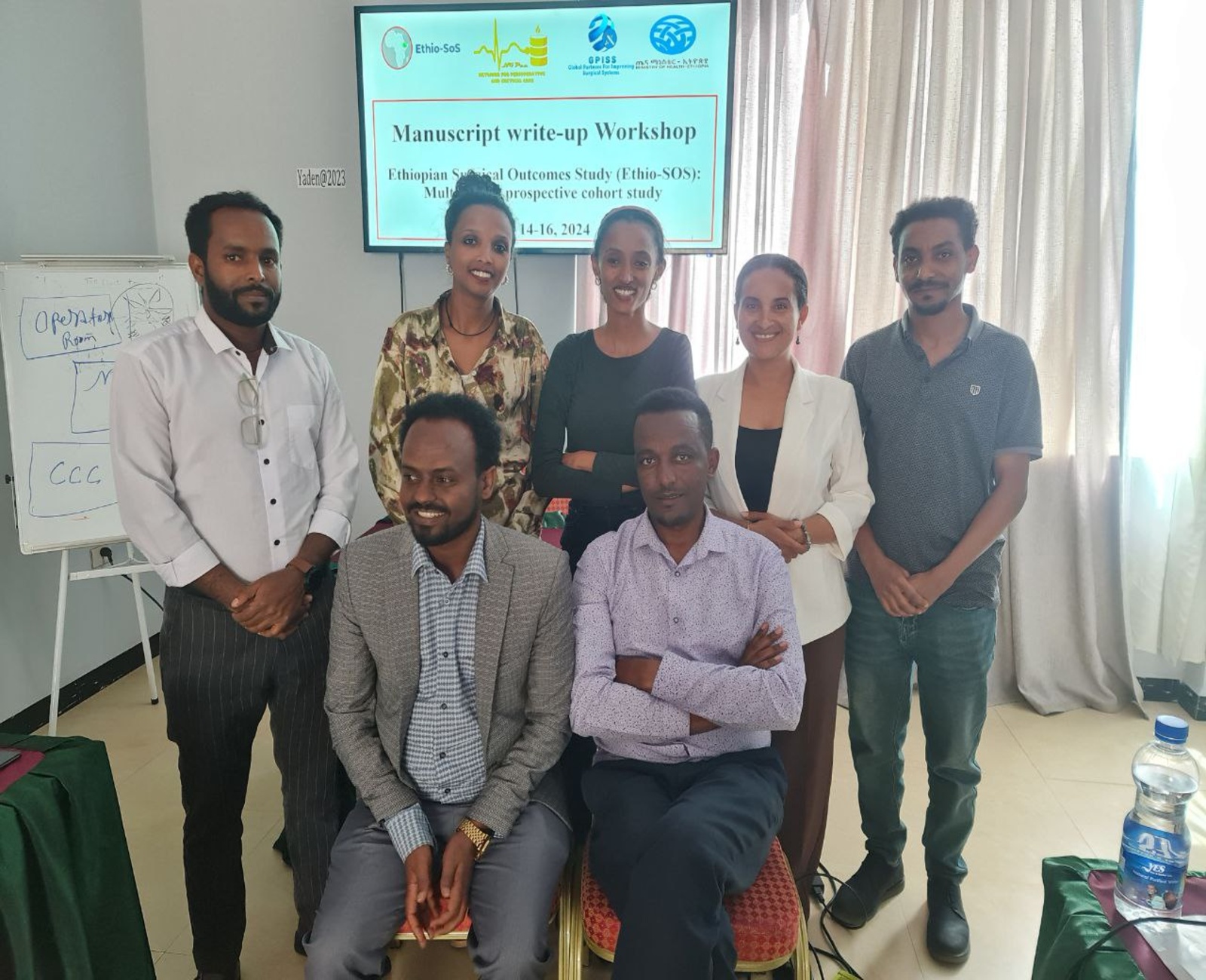
EthioSOSTeam
The Ethiopian Surgical Outcome Study (Ethio-SOS): a 7-day multicentre national prospective observational cohort study
Awedew AF, Belachew FK, Iverson KR, Ambese TY, Desita Belihu K, Tantu AD, Gebreslase LG, Teklehaimanot MG, Kifle K, Addis NA, Dula PK, Biccard B, Deneke A; Ethiopian Surgical Outcomes Study (Ethio-SOS) investigators; In behalf of Ethiopian Surgical Outcomes Study Ethio-SOS investigators. The Ethiopian Surgical Outcome Study (Ethio-SOS): a 7-day multicentre national prospective observational cohort study. BMJ Glob Health. 2025 Sep 29;10(9):e020147. doi: 10.1136/bmjgh-2025-020147
In a landmark demonstration of collaborative excellence, the Ethiopian Surgical Outcome Study (Ethio-SOS) has emerged as a transformative model for cross-organizational partnerships in global health. Conducted as a 7-day multicentre national prospective observational cohort study, Ethio-SOS represents a pioneering effort to generate robust, context-specific data on surgical outcomes in Ethiopia. With over 4,000 patients enrolled across a diverse network of hospitals, the study has not only illuminated critical gaps in perioperative care but also catalysed systemic change in national surgical policy. Its success is a testament to the power of coordinated action across ministries, hospitals, universities, and international partners.
The Ethio-SOS initiative was conceived in response to a pressing need: the absence of comprehensive national data on surgical outcomes in Ethiopia. Recognizing that evidence-based policymaking requires accurate, locally generated data, a multidisciplinary steering committee was formed. This committee brought together national hospital leaders, regional health bureau directors, academic researchers, and representatives from the Ethiopian Ministry of Health (MoH). Their shared vision was clear—to establish a national surgical outcomes baseline that could inform the third iteration of Ethiopia’s flagship surgical policy, Saving Lives Through Safe Surgery (SaLTS III).
From the outset, the project was grounded in principles of inclusivity and equity. The steering committee ensured representation from all levels of the health system, including primary, general, and tertiary hospitals. This structure enabled the study to reflect the full spectrum of surgical care delivery in Ethiopia, from rural health centres to urban teaching hospitals.
Ethio-SOS was distinguished by its unprecedented scale and scope. Over 70 investigators participated, drawn from a wide array of institutions: primary and general hospitals, university hospitals, regional health bureaus, and the MoH. The study also benefited from the expertise of global surgery, perioperative, and critical care specialists from the United States, South Africa, and Ethiopia. These international collaborators provided technical guidance on study design, data quality assurance, and ethical oversight, while ensuring that local leadership remained central to the project’s execution.
This tri-continental partnership exemplified the principles of equitable global health collaboration. Rather than imposing external models, international experts worked alongside Ethiopian counterparts to co-develop a study that was scientifically rigorous and contextually relevant. The result was a research framework that adhered to international standards while remaining deeply attuned to local realities.
The findings of Ethio-SOS were both illuminating and actionable. The study revealed significant variability in surgical outcomes, with postoperative complications and mortality rates highlighting critical gaps in perioperative monitoring, infection control, and access to critical care. These insights have since informed the development of SaLTS III, Ethiopia’s national surgical policy for the next five years.
Ethio-SOS has also had a catalytic effect on institutional practice. Several participating hospitals have launched quality improvement initiatives targeting areas identified by the study, including surgical site infection prevention, anaesthesia safety, and postoperative surveillance. The MoH has committed to integrating surgical outcome indicators into the national health information system, ensuring that the gains of Ethio-SOS are institutionalised and sustained.
Beyond Ethiopia, Ethio-SOS has garnered international recognition as a model for collaborative research in low-resource settings. Its success demonstrates that high-quality, large-scale clinical studies are feasible in such contexts when built on a foundation of local leadership, inclusive governance, and equitable partnerships. The study’s methodology is now being adapted for similar initiatives in other sub-Saharan African countries, amplifying its impact across the region.
The Ethiopian Surgical Outcome Study is more than a research project—it is a national movement toward safer, more equitable surgical care. By bridging ministries, hospitals, universities, and international partners, Ethio-SOS has redefined what is possible through cross-organisational collaboration. Its legacy will endure not only in the policies it has shaped but in the lives it will save. For its visionary leadership, methodological rigour, and transformative impact, Ethio-SOS is a deserving recipient of the Global Top 30 Improvers Award for Best Cross-Organisation Collaboration.
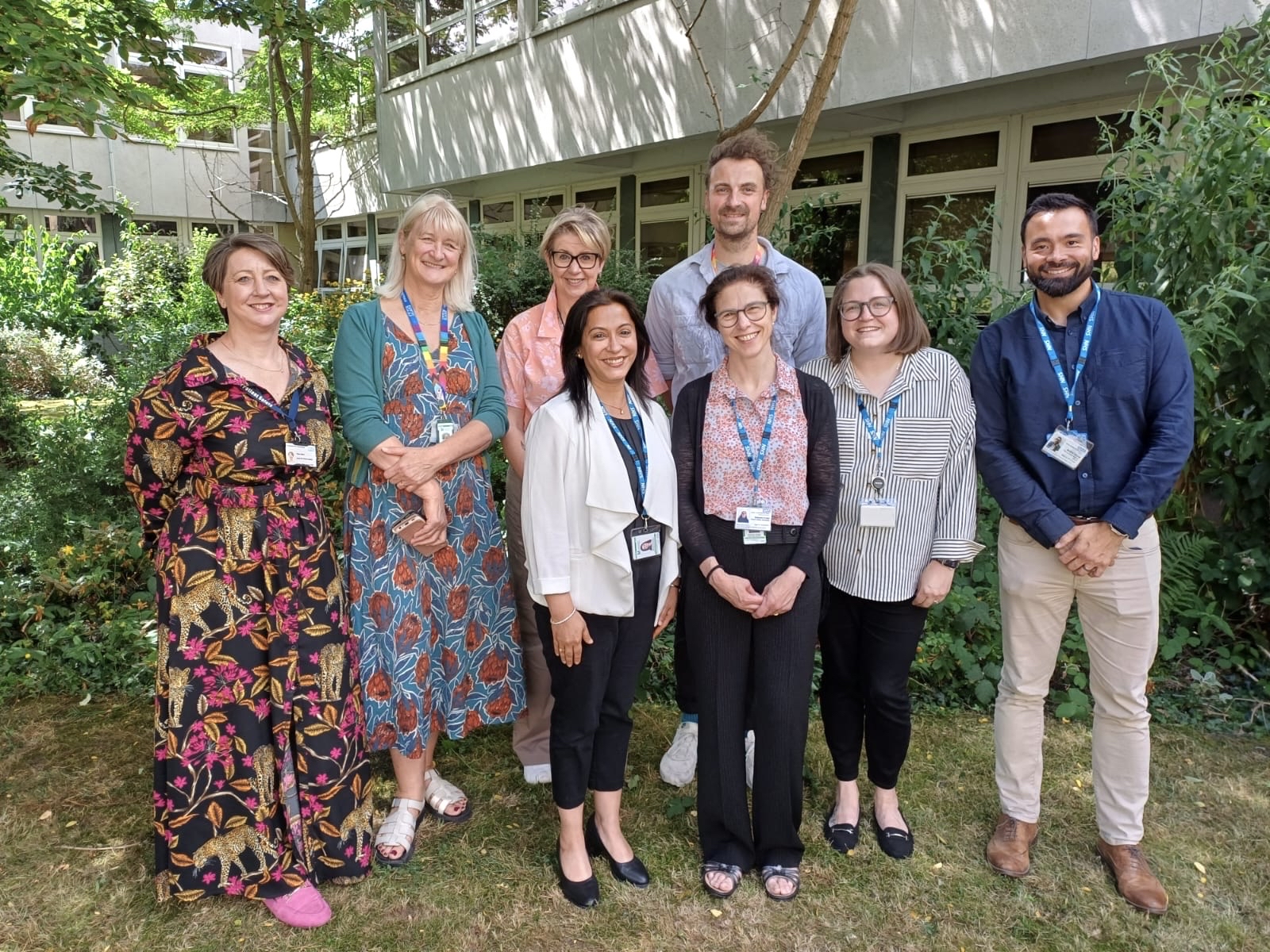
Leicester, Leicestershire and Rutland Integrated Care Board
Transitions of care are one of the most consistently high-risk points in any health system. In Leicester, Leicestershire and Rutland (LLR), patients were too often experiencing harm, delay and confusion because responsibility at the boundaries between services was unclear. Across primary, secondary, community and mental health care, clinicians recognised the same pattern: work being passed on, decisions deferred, and patients slipping through the gaps. This resulted in delayed referrals, missed or late medicines, unresolved fit notes, and patients and carers left to coordinate care themselves at times of illness and vulnerability.
The Transferring Care Safely (TCS) programme was created to address this problem directly, not by managing individual incidents, but by changing how the system operates at its interfaces. From the outset, TCS was grounded in a shared understanding that most interface failures are not caused by individuals, but by practices, policies and contractual arrangements that have developed over time. When responsibility is unclear, risk is displaced rather than resolved, and issues are easily framed as someone else’s remit.
Since its introduction, more than 3,000 interface safety concerns have been formally logged, reviewed and acted upon. Issues that had previously been managed through informal workarounds or accepted as unavoidable were reframed as shared system risks. Making these concerns visible allowed recurrent patterns to be identified and addressed at scale. Clinician-to-clinician advice and referral routes were strengthened, with more than 3,600 Consultant Connect calls in 2024. Over one-third avoided unnecessary hospital attendance, while ensuring timely escalation for patients who needed specialist input. This reduced duplication, improved flow and made care safer and more predictable at points of transition.
The work translated into tangible pathway redesign across areas where risks had been long-standing. These included gynaecology, children and young people’s mental health, eating disorders, paediatric diabetes, gastroenterology and IBS, two-week-wait referrals, urology and others. In many cases, patients were placed at risk because referrals were routed inappropriately or because responsibility moved between hospital and community services via general practice without clarity. Prescribing and monitoring responsibilities were a recurring source of harm. In each pathway, changes focused on clarifying ownership, removing unnecessary steps and reducing the burden on patients and carers to navigate the system themselves.
TCS was built on the recognition that no single organisation owns safety at the interface. The programme brought together general practice, acute, community and mental health providers, ambulance services, out-of-hours care, social care, independent providers and Healthwatch into a single improvement system. Collaboration was structured rather than informal, enabling sustained engagement and shared understanding of why issues occurred, whether driven by workload pressures, historical practice or contractual design. A standing Interface Group provided a trusted space where concerns could be examined openly and solutions agreed collectively. Healthwatch played a formal role, ensuring patient and carer experience remained central.
Early in the programme, LLR agreed a clear interface strategy that explicitly recognised transitions of care as a core patient safety risk. This strategy set out a shared ambition to reduce harm by making responsibility explicit and addressing recurrent interface failures as system issues rather than organisational ones. It provided a mandate for consistent action across providers and reinforced that interface safety was core to quality and clinical governance.
Alongside this, and deliberately distinct from the strategy, LLR developed a formal clinician-to-clinician policy, endorsed by primary and secondary care and signed off by Medical Directors. This policy established clear rules for engagement at the interface, setting out when clinicians should refer directly to each other, when specialist services should retain responsibility, and when care could safely transfer back to primary care. By defining these boundaries, the policy removed ambiguity and reduced the risk of responsibility being inappropriately shifted to patients or general practice.
This clarity enabled LLR to address one of the most persistent and high-risk interface failures: outpatient prescribing. National guidance at the time was ambiguous and inconsistently interpreted, leading to prescribing responsibility being transferred back to general practice without adequate information, clinical oversight or funding, repeatedly placing patients at risk. Through TCS, these issues were logged as interface safety concerns, allowing patterns and cumulative impact on patients and primary care to be made visible. On the basis of this evidence, LLR became the first system to introduce a standardised 28-day outpatient prescribing policy, clarifying that specialist services retained responsibility for initiating and stabilising treatment, with transfer to primary care only when it was clinically appropriate and safe.
This was a deliberate challenge to the prevailing interpretation of national policy, grounded in patient safety and system accountability. The policy was endorsed by Medical Directors and embedded through contracts, pathways and clinical guidance, ensuring consistent application across the system rather than reliance on informal agreement. The evidence and learning generated were subsequently shared at national level and contributed to agreement on a clearer, more consistent national position on outpatient prescribing. As a result, the principles underpinning LLR’s 28-day prescribing model were adopted nationally, reducing variation and improving safety beyond the local system.
TCS was designed as an ongoing learning system rather than a time-limited project. Interface concerns are reviewed monthly, with thematic analysis informing pathway redesign, education and agreed standards. Improvements are embedded through clarified roles, responsibilities and governance. The programme has been delivered without additional funding and is estimated to generate annual system savings of £600,000–£700,000 through reduced duplication, avoidable escalation and unnecessary hospital use, alongside improved safety and experience.
Equity has been integral throughout. Patients with complex needs, long-term conditions or limited ability to navigate fragmented systems are most exposed to unsafe transitions. By clarifying responsibility and simplifying pathways, TCS reduces the burden placed on patients and carers. Concerns can be raised from any setting, including care homes, community services, out-of-hours care and independent providers.
Progress has not been linear, and some solutions required revisiting. However, by treating interface safety as a shared responsibility rather than an organisational failure, LLR has sustained trust and momentum. The programme demonstrates how clear clinical leadership, explicit responsibility and system-level learning can deliver safer transitions of care at scale.

Provincial Health Services Authority
Background
The Spread Quality Improvement (SQI) team fosters collaboration across specialized services in British Columbia — including pediatrics, correctional health services, mental health, and oncology — to spread successful quality improvement initiatives across the province.
Funded by the Specialist Services Program, SQI supports improved access to high-quality, patient-centered, and culturally safe specialty care, with a focus on demonstrating measurable system impact aligned with the modified IHI Triple Aim.
Innovation in QI Spread Work
The SQI team has developed and delivered an innovative “Sprint” model for spreading quality improvement, co-designed with leaders from the Institute for Healthcare Improvement (IHI) Breakthrough Series Collaborations. This model represents a meaningful advance in how health systems build improvement capability at scale. By integrating accredited continuing medical education and continuing professional development with disciplined QI methodology, the Sprint enables rapid, outcome-focused clinical change that is both rigorous and practical. Importantly, it is designed to be clinical team-focused, time-limited, and adaptable, allowing it to spread effectively across diverse clinical environments and multiple health authorities.
Sprint Model in Action: Clinical Teams and Patient Engagement
The inaugural Sprint addressed inaccurate penicillin allergy labels—an issue with well-established implications for patient safety, antimicrobial stewardship, health outcomes, and system cost. Delivered as a year-long, CME-accredited program, the Sprint combined structured preparation, three learning sessions, action periods for local implementation, and a final synthesis and reflection phase. Learning sessions blended patient stories, core QI methods, peer-to-peer learning, measurement for improvement, and real-time feedback. A hybrid delivery model enabled participation from across the province, including teams in rural, remote, and underserved communities. Patient partners were meaningfully embedded throughout the initiative as co-designers, speakers, and advisors, ensuring that improvement efforts remained grounded in lived experience and patient priorities.
Impact: Quantitative and Qualitative
The results of this collaboration are both impressive and measurable. More than 800 patients were screened, with over 600 inaccurate penicillin allergy labels safely removed. Twenty-one interdisciplinary teams and more than 70 participants from all five British Columbia health authorities were actively engaged. The team developed a suite of practice-ready resources, including a provincial change package, standardized oral challenge protocols, EMR documentation tools, and patient education materials, all made openly available through a dedicated website. A scalable provincial toolkit has now been established, positioning this model for application to other high-impact clinical priorities.
Participant feedback underscores the effectiveness of this approach: 96% of participants reported increased confidence in safely de-labeling patients with penicillin allergy. Testimonials described the Sprint as “the best change initiative I have ever participated in” and “the best QI project I have seen in 35 years of medical practice.”
The system-level impact is equally compelling. A follow-up economic analysis estimated average lifetime savings of approximately $10,000 per pediatric or pregnant patient and more than $7,000 per rural patient, translating to over CDN $5.5 million in total system savings from this initiative alone. In northern British Columbia, the establishment of Penicillin De-Labeling Clinics at the University Hospital of Northern BC has expanded access to allergy assessment despite the absence of on-site allergists. This has directly benefited First Nations and rural communities, allowing patients to receive care closer to home while avoiding an estimated $1,080 per person in out-of-pocket travel costs, in addition to lost time from work, school and family.
Building on success of the sprint, this work continues to spread provincially through a dedicated Penicillin Allergy De-Labelling Hub. The Hub provides ongoing coordination, coaching, and shared resources to support new teams, with growing interest across health authorities accelerating scale and long-term impact beyond the initial Sprint.
Beyond British Columbia, the impact of this work has extended nationally and internationally. SQI resources are now being used across Canada and accessed globally. The Sprint methodology and outcomes have been featured by Doctors of BC and recognized through invitations to present at major national and international forums, including the IHI International Forum on Quality and Safety in Healthcare. These invitations speak to the innovation, credibility, and transferability of the model.
Summary
The SQI team exemplifies what is possible when clinicians, patients, academic partners, and health system leaders align around shared improvement aims. The SQI team has demonstrated an exceptional ability to work across organizational and geographic boundaries, apply rigorous improvement science, and translate evidence into practice at scale. It is one of the strongest examples of cross-organizational collaboration delivering tangible, sustained benefit for patients, families, and the health system in British Columbia. This work sets a new standard for cross-organizational collaboration and reflects the type of system-level improvement the Global Top 30 Improvers Award was designed to recognize.
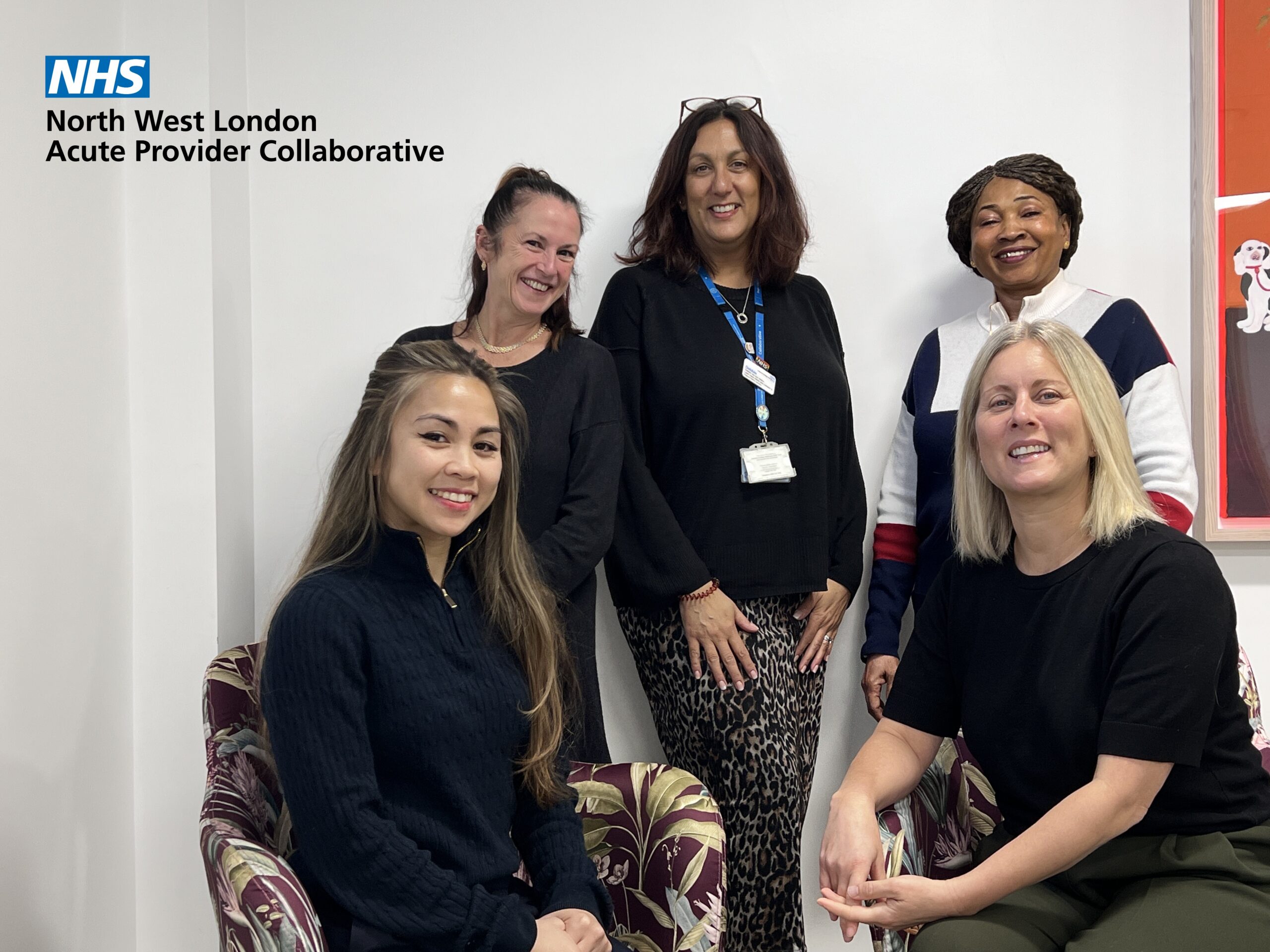
One North West London
One North West London: Improving the Recognition and Response to the Deteriorating Patient
Across North West London, four National Health Service (NHS) Trusts running twelve acute hospitals provide care to a population of approximately 2.5 million people, characterised by high clinical complexity, mobility, and socioeconomic diversity. As in many large health systems, patients who deteriorated in hospital were historically subject to variation in how deterioration was recognised, how rapidly it was escalated, and how consistently patients and families were involved in decisions about care. These differences were driven not by clinical need, but by organisational boundaries and local practice.
The Group has been working together on this priority for ~18 months and the North West London Acute Programme Group (APG) set out to address this inequity at system level as one of our 3 key quality priorities for 2025/26.
On 15 December 2025, the APG launched a single, standardised approach to the recognition and response to the deteriorating patient across all four acute trusts. This was supported by shared clinical guidance and a unified electronic workflow embedded in the Cerner OracleTM common electronic health record. In parallel, the APG implemented a coordinated regional approach to Martha’s Rule, strengthening the role of patients and carers in recognising and escalating early signs of deterioration. Together, these initiatives represent a deliberate effort to level up quality and safety, ensuring that best practice is delivered consistently across all hospital sites and for all of our patients.
Tangible impact
A comprehensive review across the four organisations identified unwarranted and unhelpful variation in escalation thresholds, response times, documentation, and staff training. These variations were replaced with a single, evidence-based clinical pathway aligned to national guidance and integrated directly into the electronic patient record. This enables structured assessment, time-bound clinical review, closed-loop escalation, and consistent audit across all hospitals.
Early implementation demonstrates increased senior clinical review, earlier reassurance or intervention for patients and families, and improved reliability in escalation when patients deteriorate. Critically, the system supports timely identification of the sickest patients and facilitates escalation to higher levels of care when required, reducing the risk of preventable harm and failure to rescue. It values and includes the views and input of patients, families and carers.
Collaboration across organisational boundaries
This programme was delivered through collaboration at scale. Doctors, nurses, digital teams, patients, carers, communications specialists and senior leaders from four organisations co-designed a pathway capable of functioning reliably across twelve acute hospital sites. Trusts made a collective commitment to align policies, training, workflows, and governance, moving beyond local optimisation towards system-wide improvement.
Delivery was clinically led and structured through four integrated workstreams: electronic health record integration, standardised education and training, shared data and reporting, and communications and engagement. This enabled consistency and pace while maintaining local clinical ownership.
Leadership, inspiration, and Martha’s Rule
The programme of work is a collaborative one across the group and NHS trusts but senior leaders championed this locally, establishing a clear shared ambition for safety and equity, while frontline teams shaped how the pathway works in daily practice.
Martha’s Rule is a patient-safety approach that ensures patients, families, and carers can request an urgent clinical review by a different team if they are worried that a patient’s condition is worsening and they do not feel that their concerns are being properly recognised or addressed.
Sustainability, learning, and system working
Sustainability has been built into the programme from the outset. The pathway is embedded digitally rather than relying on paper tools or individual memory, making it reliable, reproducible, and scalable.
Equity and inclusion
Standardisation reduces the risk that care quality depends on location or organisation. By levelling up escalation thresholds, response standards, and access to senior review, the programme promotes fairness and reliability across a diverse population.
Conclusion
The North West London APG deteriorating patient programme demonstrates how collaboration, standardisation, and a commitment to equity can deliver meaningful improvements in quality and safety.