


The Compassionate Leadership Award
For leaders who demonstrate kindness, humility, and resilience.
Voting is now closed. The winners will be announced on the main stage at the International Forum in Oslo on Wednesday 11 March at 15:30.
The Compassionate Leadership Award Winner

Kenneth Jun Logrono
Building the 3C’s—Capacity, Capability, and Change through the QI Clinics
I worked as a charge nurse in the largest facility within the HMC healthcare system in Doha, Qatar. I strongly believe that every person—housekeepers, staff nurses, cashiers, and leaders alike—has the power and willingness to initiate meaningful change. What many lack is not motivation but the capability and access to do so.
I am neither a director nor a department head, yet my limited leadership capacity has never been a barrier. Instead, it strengthened my advocacy that improvement science should belong to everyone who wants to innovate, challenge the status quo, and improve care for our patients. This raises an important question: If so many people are willing to change, why not give them the tools to make that change possible?
QI Clinics: Breaking Barriers and Building Capability
This belief inspired my passion project, Quality Improvement (QI) Clinics, an educational program designed to break barriers for frontline staff with limited access to QI training. Many frontline teams recognized patient safety risks but lacked the structured problem-solving skills and methodologies needed to lead change. For years, QI education in our organization was primarily accessible to department leaders, executives, and staff with formal quality roles, leaving out those who witnessed problems firsthand.
Their limited access often resulted in poorly executed and unsustainable projects.
To address this gap, I co-designed the QI Clinics with frontline staff, building the sessions around their needs, including availability, accessibility, and practicality, while ensuring they complemented our hospital’s existing quality programs. My aim was simple yet transformative: to build frontline QI capacity and capability so staff can lead their own projects, improve outcomes, and sustain change. Held every Tuesday morning and whenever units and staff needed support, the clinics offered short, targeted workshops focused on real-time application to unit-level problems.
From Passion to System-Level Impact
Beginning in 2024, I used personal time to deliver interactive, hands-on sessions in any available space, including cafeteria tables, outdoor seating, and nursing stations. As interest grew, I formalized the program, dedicating my Tuesdays entirely to the QI Clinics. By 2025, trained QI coaches joined to support and facilitate the sessions, helping scale the program and expand its reach. The project eventually gained support from key leaders and grew into a true movement.
Since its inception, over 100 staff have participated across multiple departments and siciplines, leading to 18+ frontline-driven QI projects and system-level improvements in our 750-bed hospital. These included a 50% reduction in falls, a 10-30% reduction in medication safety events, a 15-20% reduction in discharge delays, a 60% reduction in pressure injury rates, more than 200 days of zero CLABSI and zero CAUTI, and 10+ sustainable value improvement initiatives as of December 2025.
Building the Change for Sustainability
A compelling story is that of a housekeeper who attended the QI Clinics. Initially unsure how she could contribute to improving patient care, she now actively participates in a project that helped reduce discharge delays in her unit. She reflected, “The QI Clinics showed me that my role matters and that I have the power to make a real difference, not just observe problems happen.”
I am proud to witness our staff, who once doubted their abilities, now becoming powerful leaders of improvement, transforming not only their units and works but also themselves. Moreover, staff consistently praise the sessions for enhancing their QI literacy and ability to apply structured problem-solving tools. The QI Clinics have become a transformative and inclusive educational platform, reinforcing our culture of continuous improvement while fostering mentorship and personal growth among our participants- demonstrating the true “power of us”.
My Message From the Bedside to the World
In December 2025, the program was formally recognized for enhancing staff capability and driving measurable hospital-wide improvements. This recognition validated my advocacy that, regardless of position or role, anyone is capable of designing systems that make education accessible, equitable, inclusive, and empowering FOR ALL.
The QI Clinics have proven to be a scalable, impactful model, equipping frontline staff to become meaningful change agents and achieve sustainable improvements at the bedside.
If I can make a difference despite my small capacity, who is to say others cannot!? Receiving this award would give me a platform to echo this message to the global community of improvers, emphasizing that their work is powerful, capable of breaking barriers, and inspiring meaningful change.
What once seemed like a limitation has become the force for good that proves anyone, in any role, can spark change that transforms an entire healthcare system to be more inclusive and kinder, and, most importantly, can save thousands of lives.
The Compassionate Leadership Award Shortlist
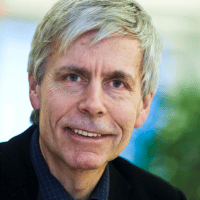
Göran Henriks
Compassionate leadership, as Göran Henriks has shown across 40 years of practice, is expressed through the deliberate development of systems that place human dignity at their centre; through the humble recognition that results emerge from others’ contributions rather than your own; and through the quiet resilience required to hold that conviction through complexity and setback.
If I had to pick one contribution that captures Göran’s approach, it’s the question: “What is best for Esther?” it sounds simple but has had profound impact. First introduced in 1997 through work in Jönköping County, Qulturum and the Eksjö Department of Medicine, it became a way of reorganising care around people’s lives rather than organisational convenience.
The Esther Project started with listening. Instead of assuming what older people with complex needs wanted, Göran, together with Mats Bojestig and colleagues, created a narrative persona, Esther, to help staff see care through the eyes of the person receiving it. This shift is an act of humility: it recognises that even skilled professionals don’t automatically understand what care feels like from the other side. Over time, the model matured from “speaking for” Esther to involving older people directly. Today, around 75 people serve as “Esthers” in a living library, bringing lived experience into service design, beyond consultation and into genuine power-sharing.
Göran rejects the idea that leaders have the best answers. He promotes a permissive, enabling style of leadership; creating the conditions for others to lead, creating leaders everywhere, and flattening hierarchy so that frontline teams and patients are treated as knowledge holders. In our written collaboration, Creating Tomorrow Today: Seven Simple Rules for Leaders, he translates this into practical principles grounded in psychological safety: helping people feel they belong, aligning around purpose, and ensuring every voice can be heard.
Göran also demonstrates compassionate leadership globally through the generous and selfless way he supports healthcare leaders in other countries to build their own improvement systems, including many in low- and middle-income countries. He treats improvement leaders as capable partners, starts from their local reality and national context, and helps create the conditions for learning—rather than handing down “the right answer”.
This philosophy reflects his background. His early work in child psychology (1976–1983) shaped his understanding of how people respond to adversity and what helps resilience develop. His two decades as a national basketball coach reinforced a lesson he often returns to: team success doesn’t come from one person’s brilliance, but from shared commitment. As Göran puts it: “The results do not come from what you do alone; they come from how your colleagues value you as a leader.”
His resilience is also evident in his long-term commitment to Jönköping. He served as Chief Executive of Learning and Innovation for 29 years and has stayed engaged with the same health system for more than four decades. At a time when leadership turnover is often seen as normal, that continuity is striking. It speaks to disciplined conviction: staying with the work through slow progress and inevitable challenges, choosing depth over visibility, and demonstrating deep love for the system and the people in it.
The international reach of the Esther model shows that this kind of compassionate systems thinking travels. Yet Göran has never presented it as something to copy and paste. He shares Jönköping’s learning with humility—not as “the answer,” but as an example of what becomes possible when organisations prioritise listening, psychological safety, and person-centred care. In his mentoring internationally, he does the same: asking good questions, encouraging local adaptation, and trusting others to shape what fits their context.
He has also stayed committed to complexity and emergence, even when healthcare is pulled toward neat technical fixes. And he has treated co-production not as a tick-box exercise but as an ethical stance—refusing to reduce people to “users” or “inputs,” and instead recognising them as agents in their own care and in improvement.
I’m nominating Göran Henriks because he taught me that compassionate leadership isn’t an “extra” in healthcare improvement—it’s the foundation. He shows, in his humble and practical way, that kindness, humility, and resilience are not “nice-to-haves”; they are what enable organisations to protect dignity, value people at the point of care, and sustain real improvement over time.
I work with Göran often, and he never judges me—even when I’m late, miss deadlines, or don’t follow through. He always empathises with my situation. I’m proud to call Göran my colleague and my friend, and I learn from his compassionate leadership every day.”

Giuseppe Lanzino
Dr. Giuseppe Lanzino exemplifies what compassionate leadership looks like in modern medicine. In a field defined by urgency, complexity, and life-altering decisions, he leads with a rare combination of humility, emotional intelligence, and a deep respect for the people around him, patients, trainees, nurses, and colleagues across disciplines. His influence extends far beyond clinical outcomes; he shapes the culture of care, the experience of teams, and the lives of the individuals he mentors.
Leading Through Humanity and Presence
Dr. Lanzino’s leadership is rooted in how he makes people feel heard. Whether speaking to a patient frightened by the word “aneurysm” or a trainee unsure of their abilities, he brings a calm, grounding presence that immediately builds trust. He never rushes conversations. He listens fully, asks thoughtful questions, and always responds with kindness. Families routinely comment that “he spoke to us like human beings,” and that compassion defines his entire approach to care.
His leadership style is one of quiet strength. He never asserts authority for its own sake. Instead, he uses empathy and clarity to guide decisions, even under pressure. In critical care moments, when emotions run high, he sets the tone: composed, focused, and gentle. This steadiness allows teams to work confidently, knowing they are supported by someone who values both excellence and humanity.
Compassion in Mentorship
Many leaders teach skills; Dr. Lanzino teaches integrity. He invests in trainees not only to shape them as clinicians, but to shape them as people. He regularly checks on fellows who are struggling, stays late to review cases without being asked, and makes intentional space for junior voices in discussions. He does not tolerate belittlement or hierarchy used to intimidate. Instead, he models respect in every interaction and expects the same from the entire team.
Trainees frequently describe him as the first person who made them feel capable. His feedback is honest but delivered with care, always focused on growth rather than criticism. He is the kind of leader who notices when someone is discouraged and quietly steps in to help them rebuild confidence. The long-term impact of this approach is evident: many of his former trainees now lead programs with the same compassionate principles he instilled.
Creating a Culture of Safety and Collaboration
Dr. Lanzino understands that patient safety does not come from technical skill alone, it comes from a team culture rooted in trust, communication, and shared purpose. He has worked across boundaries between neurosurgery, neuroradiology, neurology, anesthesia, and critical care to create workflows that prioritize patients’ dignity and emotional experience alongside their clinical needs.
His leadership style dissolves hierarchy and invites equal participation. Nurses feel comfortable raising concerns; residents feel empowered to ask questions; colleagues feel their expertise is respected. This environment ensures safer decisions and better outcomes, but it also strengthens morale and psychological safety, which are elements essential for teams working in high-acuity environments.
Sustaining Improvement Through Reflection
A defining trait of Dr. Lanzino’s leadership is his willingness to reflect and learn openly. He seeks continuous improvement not through blame but through curiosity. When complications occur, he does not distance himself; he models responsibility and honest analysis. This approach creates a culture where learning is normalized and improvement is sustained.
He encourages teams to think long-term: What processes can be strengthened? How do we prevent future harm? How do we support each other emotionally after difficult cases? His leadership ensures that lessons are not only learned but integrated into practice.
Equity, Inclusion, and Advocacy
Dr. Lanzino’s compassion extends beyond the clinical environment. He is known for advocating for trainees and colleagues from diverse backgrounds, ensuring they receive equal opportunities and support. He understands that talent can be found everywhere, even among individuals who had fewer resources or faced structural barriers. Many international trainees, including those from conflict-affected regions, credit him with giving them a fair chance and treating them with dignity.
He extends the same approach to patients. Regardless of language, education level, or socioeconomic background, every patient receives the same respect. He is deliberate about ensuring understanding, often sitting with families for as long as needed to explain complex diagnoses in accessible language.
An Enduring Influence
Compassionate leadership is not measured by titles or accolades; it is measured by how someone’s presence reshapes the people and environment around them. Dr. Lanzino has shaped a culture where empathy is inseparable from excellence, where learning is inseparable from humility, and where patient care is inseparable from humanity.
His legacy is not only in the patients whose lives he has saved, but in the generations of clinicians and leaders he has influenced, who are individuals who carry forward his example of kindness, presence, and principled leadership.
For these reasons, I am honored to nominate Dr. Giuseppe Lanzino for the Compassionate Leadership Award.
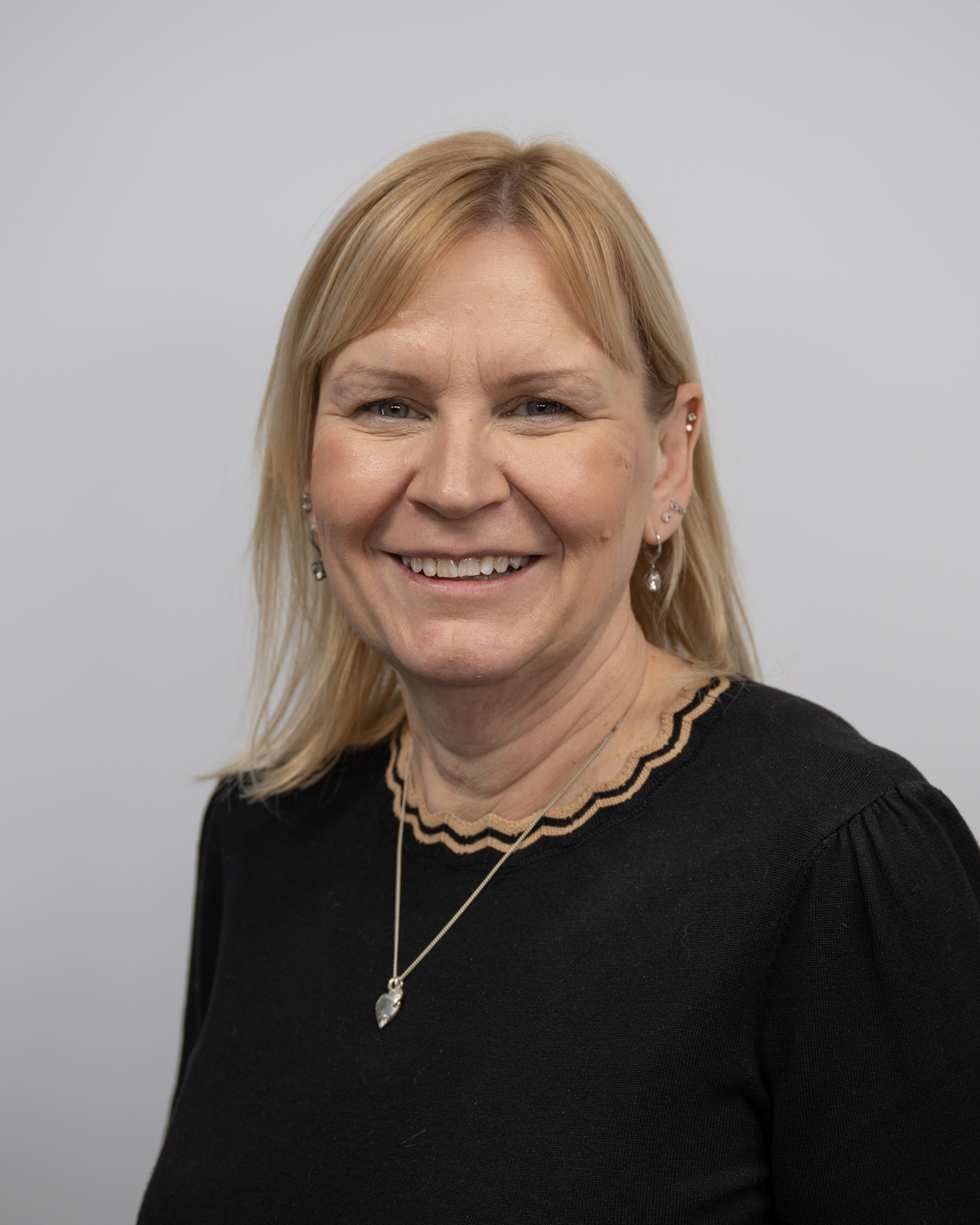
Victoria Woods
Victoria Woods is a distinguished healthcare leader whose career spans more than 25 years of unwavering service to the NHS. Her journey, from her early days as a physiotherapist to her current role as Director of Quality at Oxleas NHS Foundation Trust, embodies the compassion, humility, and resilience that define this award. Her work has touched patients, teams, and systems, making her one of the quiet yet powerful forces driving quality improvement across the UK.
Victoria qualified as a Physiotherapist from Brunel University in 1998, specialising in vascular and amputee rehabilitation. Working predominantly in acute care, she developed deep empathy for patients navigating some of the most challenging moments of their lives. This early clinical immersion grounded her in person-centred values, listening deeply, understanding context, and supporting patients and families with dignity and respect. These same values continue to anchor her leadership today.
In 2009, Victoria transitioned into clinical governance and improvement—a move that allowed her to scale the impact she had once delivered one patient at a time. Since then, her leadership has shaped quality, safety, and improvement infrastructures across several organisations. Her roles at Kent Community Health NHS Foundation Trust and Medway Community Healthcare CIC illustrate her rare ability to blend strategy with humanity. Under her leadership, Kent Community achieved an Outstanding CQC rating—a result built on years of supporting teams, strengthening systems, and building a culture of trust, psychological safety, and continuous improvement.
One of Victoria’s standout achievements during this period was the UK lead for a €4.7 million European research project. This was not only a demonstration of technical excellence; it also highlighted her belief that improvement must be rooted in evidence, innovation, and partnership. Her ability to bridge clinical, academic, and operational worlds is one of the many qualities that make her an outstanding improvement leader.
At Oxleas NHS Foundation Trust, Victoria now oversees a wide portfolio including quality assurance, quality improvement, clinical effectiveness, research, and regulatory compliance. Despite the breadth of her responsibilities, she remains deeply people-focused. Her colleagues describe her as a leader who listens first, acts with compassion, and creates space for others to grow. She is known for checking in on individuals quietly, without fanfare, during moments of pressure or personal difficulty. She leads by example, modelling kindness during high-stakes decision-making and consistently elevating the voices of frontline staff.
Victoria’s leadership is distinguished not only by strategic excellence, but also by how she makes people feel. She has an exceptional gift for creating environments where people feel valued, safe, and able to contribute their best. She shows humility in her approach, never assuming she has all the answers, always asking what matters to staff and patients, and ensuring decisions are rooted in collective wisdom rather than hierarchy.
Her unique career trajectory, from frontline clinician to Director of Quality, gives her a nuanced understanding of the realities staff face. This lived experience underpins her compassionate leadership style. Whether she is supporting a team through a safety review, guiding a service through regulatory preparation, or shaping trust-wide improvement priorities, she does so with deep respect for people’s experiences, pressures, and contributions.
Victoria’s ability to translate compassion into measurable outcomes is one of her defining strengths. Achieving an Outstanding CQC rating required more than technical rigour—it required cultural transformation. Leading a multi-million-euro research project demanded not only strategic clarity but also the ability to unify diverse stakeholders across countries and disciplines. Her work consistently demonstrates that kindness and high performance are not opposing forces—they are mutually reinforcing.
Victoria’s story is one of purposeful, human-centred leadership in an increasingly complex healthcare landscape. At a time when the NHS continues to face unprecedented challenges, she offers a model of leadership grounded in steadiness, empathy, and integrity. She exemplifies what it means to drive improvement while caring for the people who deliver it.
Her journey deserves to be part of the Improver 30 because it shows that compassionate leadership is not a soft skill; it is a powerful catalyst for transformation. Victoria’s ability to blend clinical insight, strategic vision, and human connection has led to safer systems, stronger teams, and better experiences for patients and staff alike.
By sharing her story, we highlight a leader who proves that improvement begins with people and that kindness is not an accessory to leadership; it is its foundation. Victoria Woods is, without question, an inspiring voice in quality improvement and a fitting nominee for the Compassionate Leadership Award
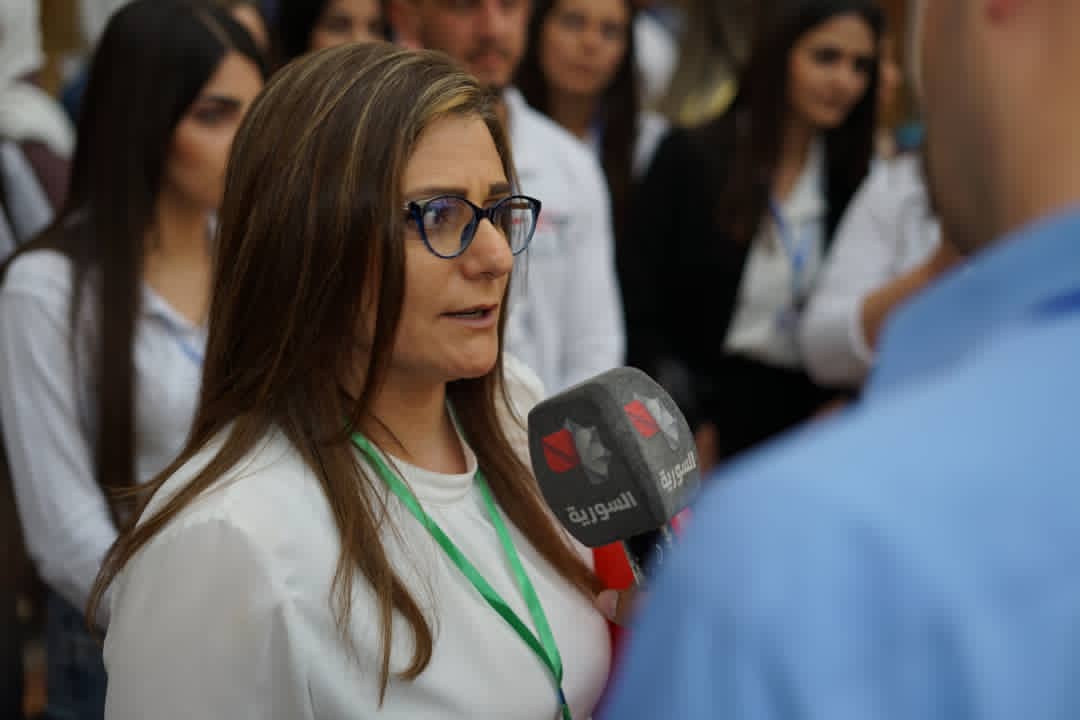
Roula Alio
I proudly nominate Dr. Roula Alio, a perfect candidate for this award due to her extraordinary resilience, compassion, and leadership during the challenging times of war in Syria. She has redefined healthcare education and quality standards in one of the most demanding environments globally.
During her six-year tenure as the Dean of the Faculty of Nursing at Al-Andalus University, she did more than just manage an institution; she nurtured it with genuine love and devotion. Her care extended to every student, faculty member, and the University Hospital itself. Her meticulous attention to detail built a culture of harmony where excellence was a goal, and every process was treated as an art form. Driven by a vision and a deep belief in student potential, her benevolence ensured she was always ready to pass her vast expertise unto her students.
Her leadership is characterized by a rare blend of academic rigor—holding an MSc from Imperial College London and a PhD specializing in Contemporary Leadership Styles—and a profound commitment to her students, patients, and the pursuit of continuous improvement. This is only a glimpse of the legacy Dr. Roula left at the university I graduated from as a doctor; it is how I have always known her, but her contributions did not stop there
During her impactful years as the Dean of the Faculty of Nursing, Dr. Alio introduced international quality benchmarks of global accreditation bodies like ACQUIN to align the standards of the University Hospital with the academic faculties. Alongside a team of inspiring figures, she established and trained dedicated students for the accreditation audit team. Her foresight and belief in our potential led to the creation of the ‘Postgraduate Qualification Program,’ where she pioneered a curriculum focused on Self-Management, Strategic Thinking, and Governance.
By mentoring promising aspirants from the faculties of Medicine, Pharmacy,Dentistry and Nursing, she has built a resilient generation of future leaders. Her impact is now felt globally through her mentees, who have become integral parts of international systems like the NHS, carrying with them the core values of compassion and excellence she instilled in them.
Compassion manifested through action is what describes all of Dr. Alio’s scholarly contributions. They are driven by her understanding of the healthcare system’s challenges and a great desire to improve, rooted in creating safe and supportive environments for both staff and patients through evidence-based leadership.
Her research portfolio includes ‘Leadership Personality Traits of Nursing Managers in Syrian Hospitals’ and the ‘Evaluation of Factors Affecting Patient Admission Frequency.’ Notably, she has a research paper on ‘Machine Learning and Patient Discharge’ currently under review by a Q1 journal. Alongside Her key studies from her time in London such as ‘International Recruitment: The Experience of Overseas Nurses in the UK’ (Imperial College) and ‘Factors Influencing Leadership in Nursing: The Experience of Nurse Directors in the NHS’ (King’s College). These foundational works. Additionally to her work on ‘Organizational Culture Traits’ in Syrian governmental hospitals emphasizes the critical roles of adaptability and involvement in clinical settings. Furthermore, her extensive studies on ‘Transformational Leadership’ and ‘Psychological Reassurance’ within Syrian university hospitals have provided a roadmap for developing compassionate and effective healthcare governance in the region.
She also delivered an outstanding lecture titled ‘Transforming The Mind’ at the Syrian Pharmacists Association conference, and another titled ‘Serenity: A Healthcare Perspective’ at the Faculty of Medicine’s annual conference. Beyond academia, she spearheaded community-based awareness days for Autism, collaborating with the Basma Special Needs Center to bridge the gap between specialized medical centers and social inclusion. Finally, she played a key role in leading a scientific delegation to Romania under the Erasmus+ program
Dr. Alio’s philosophy—’The harmony of mind and soul is the foundation of true knowledge’—serves as a guiding principle for a new generation of healthcare leaders. I am deeply proud to be part of her legacy, carrying with me the skills and traits she meticulously polished in me. Her positive influence on my journey as a medical student and her unwavering support remain forever sacred.
She has proven that a ‘Compassionate Leader’ is one who listens, supports, and innovates, building a safe harbor for people even in times of crisis. Her remarkable journey—from a dedicated researcher at elite London universities to a transformative Dean in Syria, and now a global collaborator in healthcare quality—is an inspirational testament to how one individual’s commitment can spark systemic change. Nominating Dr. Alio for this award is more than a professional gesture; it is a recognition of the ‘Soft Power’ of kindness, a quality that is absolutely essential for the future of global healthcare.

Victoria Saffin
Victoria is an exceptional and deeply compassionate leader whose career reflects a steadfast commitment to improving the lives of patients, families, and staff across the health and justice sectors. As Assistant Director of Quality Management at Oxleas NHS Foundation Trust, she has consistently demonstrated that true improvement is built not on authority or hierarchy, but on empathy, connection, and the unwavering belief that people, when supported, valued, and empowered, can transform systems.
Victoria began her career in 2005 in psychology within the prison service in Devon, working directly with people facing significant vulnerability and complexity. This early grounding in human behaviour and trauma-informed practice shaped her leadership philosophy: that every person deserves dignity, understanding, and the opportunity to grow. Moving into forensic mental health services, she gained deep insight into the systemic barriers faced by individuals on the margins of healthcare, reinforcing her passion for compassionate care and equitable systems.
Her academic and professional credentials reflect a breadth of knowledge and commitment to continual development: a BSc (Hons) in Psychology from the University of Plymouth, PRINCE2 certification, Quality, Service Improvement and Redesign (QSIR) Practitioner status, and accreditation as an EMCC coach. She is also an IHI Coach and an IHI Improvement Advisor, qualifications that have not only informed her technical capability but have expanded her ability to cultivate an environment where people feel safe to speak up, test ideas, and learn from one another. Currently undertaking an apprenticeship in artificial intelligence for business value, Victoria models what it means to be a learning leader, continuously equipping herself with new skills to build a better future for patients and staff.
Since joining Oxleas NHS Foundation Trust in 2013, Victoria has worked across Patient Experience and Quality Management, always bringing a person-centred lens to service delivery. When appointed Head of Quality Improvement in 2018, she transformed the way improvement was understood and practiced. Instead of viewing QI as a technical exercise, Victoria positioned it as a human endeavour, a way for frontline teams to rediscover purpose, reduce frustration, and reconnect with why they came into healthcare. Under her leadership, hundreds of staff were trained in QI methods, coaching systems were strengthened, and improvement became a lived culture rather than an abstract concept.
In 2022, Victoria was promoted to Assistant Director of Quality Management, where she leads the trust’s integrated Quality Management System (QMS). Her approach is rooted in compassion: ensuring that quality is not a burden placed on staff, but a supportive framework that helps teams deliver safe, effective, and person-centred care. Victoria works tirelessly to break down silos, build psychological safety, and create mechanisms for learning that honour both successes and mistakes. Her colleagues consistently describe her as calm, thoughtful, emotionally intelligent, and able to bring clarity during moments of uncertainty, qualities essential to compassionate leadership.
A vital part of Victoria’s impact lies in her commitment to end-user involvement. She champions meaningful partnerships with people who use services, carers, and families across southeast London, ensuring that improvement is co-designed and grounded in real experience. This includes uplifting voices that are often unheard and advocating for compassionate practices that reduce inequality and enhance dignity. Her involvement with the Q community reflects her belief that improvement is a collective endeavour, strengthened by shared learning and cross-boundary collaboration.
Victoria’s coaching and mentorship style exemplifies compassion in action. She supports individuals at all levels from executives to newly appointed frontline staff, helping them build confidence, navigate challenges, and reconnect with their values. She creates spaces where people feel truly listened to and where emotional wellbeing is prioritised alongside operational performance. As a coach, she blends empathy with gentle challenge, enabling others to grow, lead, and innovate.
Her leadership during times of organisational pressure has been particularly notable. Victoria consistently brings people together around purpose, using compassionate dialogue to reduce anxiety, align teams, and sustain focus on what matters most: improving care for patients and communities. She has led with humility and grace through structural changes, workforce challenges, and shifting national priorities, ensuring that staff feel supported rather than overwhelmed.
Victoria is a role model for what compassionate leadership looks like in modern healthcare. She embodies the values of kindness, integrity, psychological safety, and continuous learning. She leads not from the front, but alongside her colleagues, believing strongly in distributed leadership and collective ownership. Her impact is not only seen in improved processes and outcomes, but in the renewed sense of hope, motivation, and humanity she brings to the teams she serves.
For her unwavering commitment to people, her dedication to creating an environment where compassion drives improvement, and her outstanding contribution to Quality Management and patient experience, Victoria is a truly deserving nominee for the Compassionate Leadership Award.