


Inspirational Story Award
For an individual whose quality and safety journey has moved others and sparked change.
Voting is now closed. The winners will be announced on the main stage at the International Forum in Oslo on Wednesday 11 March at 15:30.
The Inspirational Story Award Winner
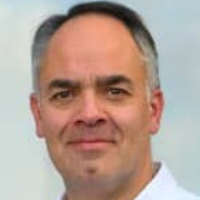
Kris Vanhaecht
We are pleased to nominate Prof. Kris Vanhaecht for the Top 30 Improvers Awards. Over the past 25 years, Kris has demonstrated how meaningful improvement in healthcare emerges when reflection, collaboration, and leadership are combined with action. His work consistently starts from real practice, grows through partnerships, and results in sustained international impact. What sets him apart is his ability to connect research, clinical care, and governance into a coherent approach to quality and patient safety.
Kris is a full professor at KU Leuven, where he leads research and education in quality of care and patient safety. At the same time, he remains closely connected to daily clinical reality through his role as quality manager in an academic medical center. In addition, he serves as chairman of the board of Sciensano, Belgium’s national institute for health, environment, and society, operating from a One Health perspective. Together, these roles allow him to bridge science, practice, and policy, and to lead improvement from multiple vantage points. He is an IHI Improvement Advisor and the only Belgian member of the International Academy on Quality and Safety (IAQS).
The first major strand of his work focuses on care pathways. Long before integrated care became a common term, Kris promoted a process-oriented view of healthcare organised around the patient journey. This work started locally through the Belgian-Dutch Clinical Pathway Network, where clinicians, managers, and researchers jointly designed, implemented, and evaluated care pathways. The focus was always on tangible improvement: better coordination, reduced unwarranted variation, improved outcomes, and a clearer patient experience. Over time, this initiative expanded into the European Pathway Association, creating a sustainable international platform for learning, benchmarking, and collaboration across borders and disciplines.
A second key contribution is his pioneering work on support for second victims: healthcare professionals involved in adverse events. Kris led national research that made the emotional, professional, and organisational impact of incidents visible and measurable. Importantly, this work translated evidence into action, supporting the development of concrete support systems and leadership awareness. This local and national foundation evolved into the European Research Network on Second and Third Victims, a multidisciplinary European collaboration involving researchers, clinicians, patient representatives, and policymakers. This work gives voice to professionals and patients who were often unheard, promotes equity and psychological safety, and embeds learning rather than blame into patient safety systems.
The third strand is person-centred care, most visibly expressed through the Mangomoment. Mangomoment started from a simple but powerful idea: sharing stories about small moments of care that matter deeply to patients, families, and professionals. In a system dominated by metrics, this movement reintroduced humanity, dignity, and meaning as core dimensions of quality. What began locally has grown into an international movement used in education, leadership development, and organisational reflection. Its impact is tangible in renewed professional engagement, stronger patient voices, and cultures that value listening and connection.
The fourth strand is his work on the new multidimensional quality model, now known as the House of Trust. This model integrates outcomes, safety, patient experience, workforce wellbeing, and organisational culture into one coherent framework. Widely used in practice and supported by scientific publication, the House of Trust helps organisations move beyond compliance towards sustainable improvement grounded in trust, learning, and shared responsibility. The model is nowadays implemented via Flanders Quality Model in more than 20 organisations and international collaboration with Australia, Canada, the Netherlands and Norway are in the pipeline.
Across all four domains (care pathways, second victim, mangomoment and multidimensional quality), reflection is a constant theme: openly sharing lessons, not only successes. Kris leads change by connecting people and perspectives, ensuring that improvement lasts and spreads through networks rather than individuals. His work exemplifies real impact, collaboration across boundaries, inclusive leadership, and sustainable learning. In his new Podcast series “Kris Vanhaecht on Quality” he shares all these experiences with students and professionals around the world.
For these reasons, Prof. Kris Vanhaecht is a strong and deserving candidate for the Top 30 Improvers Awards.
The Inspirational Story Award Shortlist
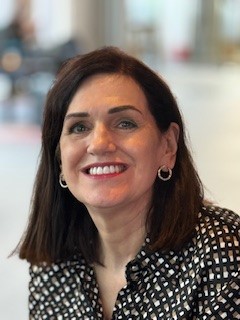
Helen Bevan
Sustaining improvement leadership inside a large system for decades is rare. Challenging the status quo, navigating bureaucracy, and delivering short-cycle improvement at scale is exhausting, demanding exceptional resilience. Helen has sustained her impact by deliberately operating at “the edge”: the interface between the formal system (hierarchy, established norms, “Old Power”) and the informal, emergent world (networks, experimentation, “New Power”). The edge is where organisational legitimacy and emergence overlap enough to make change possible and is Helen’s natural home.
Helen says she’s setting aside 2026 as “the year I will finally write my book.” She will tell her story as an internal change agent and offer practical wisdom to improvers about the power—and necessity—of operating at the edge.
Helen joined the NHS in 1991 through a scheme for leaders from other sectors who might become NHS Chief Executives within five years. She brought quality improvement skills. She never became a Chief Executive; once her capabilities became visible, she was repeatedly assigned to improvement work—work she’s been doing ever since.
As Outpatient Improvement Manager at Leicester Royal Infirmary (LRI), she quickly recognised that isolated departmental fixes weren’t enough. She persuaded her Chief Executive, who secured sponsorship from the NHS Chief Executive, enabling one of the most comprehensive improvement programmes ever undertaken by an NHS organisation: the LRI Re-engineering Programme. It delivered measurable improvements, generated significant learning, and won the Hewlett Packard Golden Helix Award for best healthcare innovation in Europe.
That experience led to a national role, working with every hospital in England to tackle waiting times. Helen brought a disciplined improvement approach working alongside hundreds of frontline teams, and developed a clear understanding of what worked, what failed, and the patterns that repeated across different contexts.
She established the Cancer Services Collaborative, one of England’s first large-scale systematic approaches to clinical improvement. She distilled learning from hundreds of organisations into “10 High Impact Changes for Service Improvement and Delivery,” widely adopted and adapted across the NHS and internationally.
From 2005, Helen led Releasing Time to Care: The Productive Series. Its flagship programme, The Productive Ward, asked: “how can people at the point of care spend more time caring for patients?” The Department of Health’s improvement director called it “probably the strongest product in the world for driving change in providers of healthcare.” Over 80% of English hospitals adopted it; evaluation showed improvements in productivity, agency, and efficiency, and it spread globally.
In 2009, Helen co-founded the Academy for Large Scale Change with Paul Plsek, helping reframe improvement as a social process—more like a movement—requiring agency, purpose, and connection across people and systems.
In 2013, she co-founded NHS Change Day with clinical and managerial leaders. The idea was audacious: a single day when people across the NHS would voluntarily commit to improving care. In its first year, 165,000 pledges were made, the largest day of voluntary collective action for healthcare improvement in NHS history. It spread to 21 countries and won the global “Leaders Everywhere” award (Harvard Business Review and McKinsey).
Helen founded the School for Change Agents to address another gap: many NHS staff had technical improvement training but lacked a sense of power to make a difference. Teaching people how to “rock the boat and stay in it,” School became the NHS’s largest online learning community; over 100,000 people from 60 countries have participated. Evaluators described it as “a relevant and powerful intervention” and “a genuine asset for the NHS,” with participants reporting renewed motivation, change capability, and confidence to tackle once intractable challenges.
In 2015, Helen founded NHS Horizons, our small group of NHS change agents. Through Horizons she has supported work including crowdsourcing solutions for COVID-19 testing and supplies; supporting innovation across every UK ambulance service; and convening deliberative communities to shape the future of the health and care workforce in England.
Helen is among the most socially influential voices in global healthcare improvement, reaching a million people each month through posts. Presenting the Leicester work at the first European International Forum in 1996, she is the only person to have participated in all 29 forums and will co-lead the Change stream at the 2026 Forum.
Helen’s generous mentorship and unique ability to connect people, have reshaped countless careers and continue to profoundly impact the healthcare landscape. Recognising Helen as a top improver in this 30th year would be a fitting tribute.
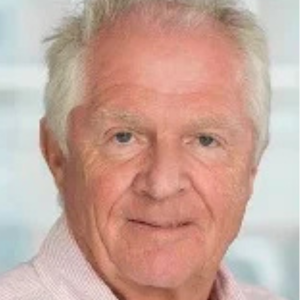
Henrik Kehlet
We are pleased to nominate Professor Henrik Kehlet, MD, PhD, as a 30 Improver in recognition of his pioneering and transformative contributions to modern surgical care through the development and implementation of Enhanced Recovery After Surgery (ERAS), also known as Fast Track Surgery.
Professor Kehlet is internationally recognized as one of the founding figures behind accelerated surgical pathways. His work fundamentally reshaped how perioperative care is designed, delivered, and evaluated—moving from tradition-based routines to evidence-based, multidisciplinary, patient-centered recovery pathways.
Transformational Impact on Surgical Care
Through decades of rigorous clinical research and implementation science, Professor Kehlet demonstrated that postoperative recovery can be significantly accelerated without compromising patient safety. His work showed that outcomes are optimized not by isolated surgical techniques alone, but by coordinated, multidisciplinary interventions, including:
- • Optimized multimodal pain management with reduced opioid reliance
- • Early postoperative mobilization
- • Early enteral nutrition
- • Minimization of surgical stress response
- • Standardized, protocol-driven perioperative pathways
These principles—now globally recognized as ERAS—have led to shorter hospital stays, reduced complications, less postoperative fatigue, and faster return to normal function, benefiting millions of patients worldwide.
Evidence-Based Innovation and Leadership
Professor Kehlet and his teams were among the first to rigorously prove the effectiveness of accelerated recovery pathways, particularly within colorectal surgery, hip and knee replacement.
He established structured steering committees, research collaborations, and prospective studies to ensure that Fast Track principles were not only implemented but continuously evaluated and refined. Professor Kehlet has published more than 1000 scientific papers.
His approach exemplifies true improvement science: combining clinical excellence, data-driven decision-making, and system-level change. Today, ERAS programs are implemented across surgical specialties and healthcare systems globally, forming the backbone of modern perioperative care.
Lasting Global Influence
Beyond his own research, Professor Kehlet has inspired generations of clinicians, researchers, and health system leaders. His work has influenced international guidelines, national surgical programs, and hospital-level quality improvement initiatives. The ERAS philosophy has become a gold standard for surgical recovery, aligning closely with the IHI/BMJ mission of improving outcomes, value, and patient experience.
Why Professor Kehlet Embodies a “30 Improver”
Professor Kehlet’s career represents the essence of improvement:
- • Challenging entrenched practices
- • Demonstrating measurable improvement at scale
- • Translating research into real-world clinical change
- • Creating sustainable systems that continue to improve patient outcomes
His contributions have permanently improved the quality, safety, and efficiency of surgical care worldwide. Recognizing Professor Henrik Kehlet as a 30 Improver would honor not only a remarkable individual, but also the enduring impact of improvement science in healthcare.”
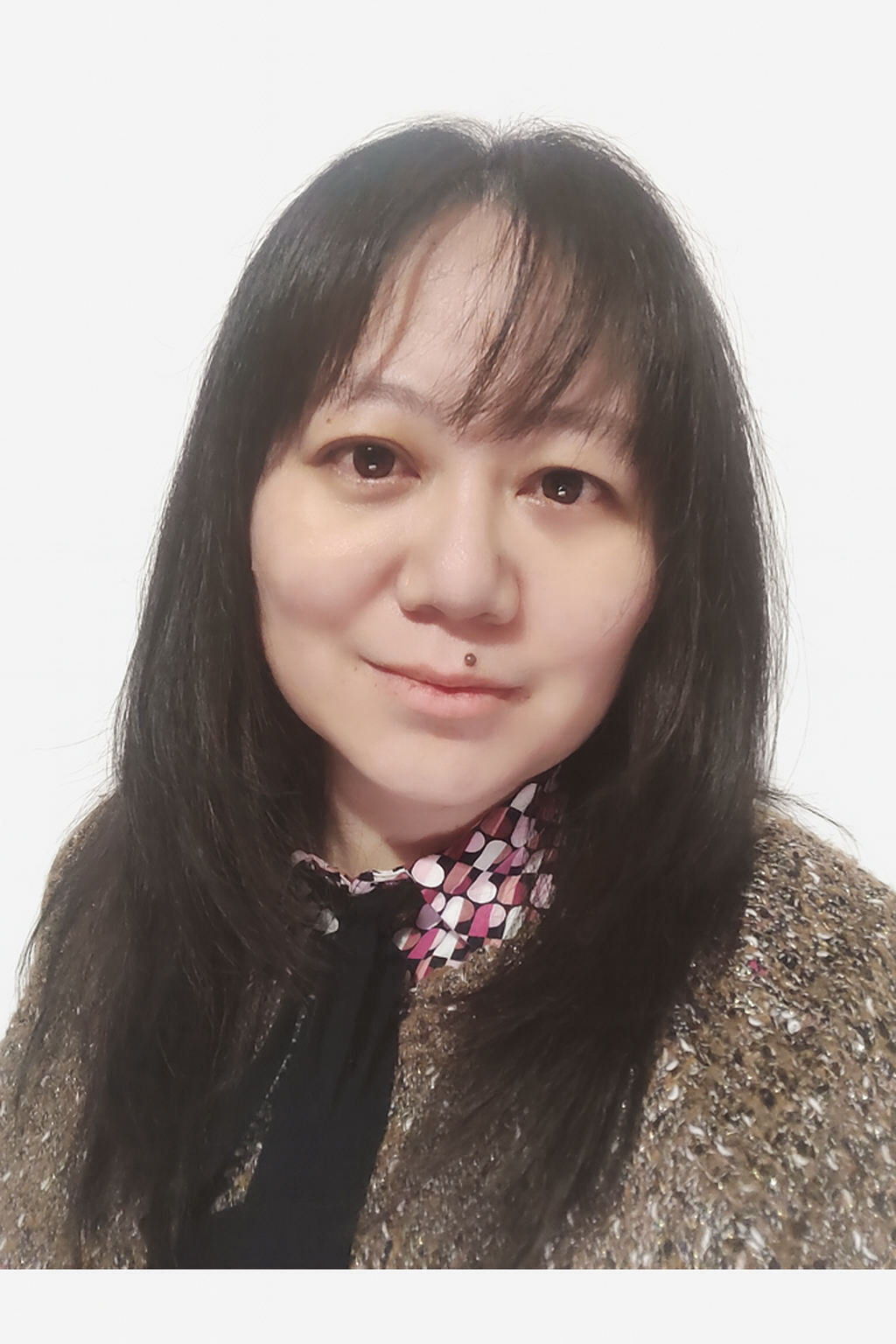
Lachhemi Rana
From grassroots volunteering in Hong Kong to award winning radio programs and published articles, my journey reflects a lifelong commitment to making sure every community has a voice, regardless of language.
My journey began with simple acts of service. As a Health Ambassador in Hong Kong, I volunteered on the street to take health measurements, went door to door to bring awareness, and worked within the community to share preventive health messages. These efforts were valuable, but I quickly realised they were not sustainable. I wanted to reach more people and create lasting change.
That realisation led me to apply for government funding, which I successfully secured. From 2018 to 2020, I produced and hosted a series of Nepalese-language radio programs under Radio Television Hong Kong’s Community Involvement Broadcasting Service (CIBS). These programs were more than broadcasts, they were platforms for representation, culture, and empowerment. By involving ethnic minority community members, we created programs that benefited everyone. One of the most impactful was “Safety First”, which raised awareness about occupational health in the construction industry. Many workers were driven by the promise of high wages but were unaware of the long-term health risks, such as lung disease and chronic conditions, that came from unsafe environments. Through Safety First, we gave them knowledge and options to make better choices, showing that awareness could lead to prevention and protection.
Another program, “Healthy Lifestyle”, highlighted government initiatives such as free flu vaccines and eye tests for elderly residents’ schemes that many ethnic minority families did not know existed. Broadcasting in Nepalese and other languages ensured these opportunities reached those who needed them most.
The impact was profound. Clinics reported that patients were more informed and proactive. Families shared stories of accessing services they had previously missed. The initiative was recognised with a Top Ten Best Radio Program Award, but true success was in the ripple effect: other community members were inspired to produce their own programs, proving that one person’s effort could spark wider change. If she could do such things on her own, so can we, was the emotion that was palpable among the community members.
Beyond radio, I sought to inspire younger generations as well, who needed guidance. I wrote a book to help young children on how to study, encouraging them to build confidence and see themselves as part of the solution. Focusing on ethnic children’s inclusivity and helping them with their confidence, I worked as a dance teacher leading ethnic minority children to numerous dance competitions and consecutively winning many awards like best dance groups and creativity awards. The realisation I got, during this journey, was profound; an art can be used as a medium of expression as well as raising confidence and awareness in children. Parents who earlier did not know how to encourage children started enrolling them in dance classes simply to protect their tender minds. The joy that I saw in those children from winning those dance competitions made me understand that it is our shared responsibility to protect and nurture our children’s psychology. A small act of encouragement to dance can be used as safety net to make them confident and create better future for tomorrow. In addition, I organized and delivered motivational speeches to inspire youth, urging them to believe in their potential, embrace education, and see themselves as active
contributors to their communities.
I also published articles to raise awareness about language barriers, ensuring that the challenges faced by ethnic minority communities were visible to professionals and policymakers. These publications reinforced the importance of linguistic equity and helped spark conversations about inclusion. I also assisted community members in Hong Kong who did not know how to apply for CIBS, guiding them step by step so they could launch their own programs for awareness and representation. Many of these initiatives continued even after I moved to the United Kingdom, showing that the impact of my support was lasting. By empowering others to take ownership, I ensured that the work of raising voices and breaking language barriers carried on beyond my direct involvement.
I also participated in dialogues with policymakers, including the Chief Secretary of Hong Kong and other political leaders, to raise awareness about inclusivity and language barriers. I have given my voice where it was needed, ensuring that the concerns of ethnic minority communities were heard at the highest levels of decision making. Even today, I remain committed to speaking up wherever
necessary, so that linguistic equity and inclusivity continue to be part of the public conversation. When I moved to the United Kingdom, I carried this mission with me. As an interpreter and translator, I supported Nepalese, Hindi, and Urdu-speaking communities in healthcare, legal, and social service settings. In doing so, I extended the impact of my work beyond Hong Kong, empowering communities in the UK to raise their voices and engage with public services more effectively.
Equity and inclusion have always been at the heart of my journey. I am a Fellow of the Chartered Institute of Linguists (CIOL), recognised for my service to languages and leadership in the profession. As a linguist, interpreter, and translator, I continue to help ethnic minority communities overcome language barriers, ensuring they are not excluded from healthcare, legal, and social systems. Recently, I have also become the face of “Flu Fighter” posters in NHS UK, to raise awareness and highlight the importance of flu vaccination.
Reflection has been central to my growth. I learned that success is not only about awards but about the quiet changes in people’s lives: a worker wearing protective gear after hearing a broadcast, an elderly patient attending a free eye test, a little child wanting to express their talent through dance, a family feeling confident asking questions in a clinic. These moments remind me that small actions can spark big change.
Whether in Hong Kong or the United Kingdom, I have always given my best to uplift my ethnic community, help them overcome language barriers, and use my knowledge to inspire others. My journey shows that one person’s determination can move others and create lasting change. This experience has shaped my broader career in healthcare management, interpreting, and public health research. Whether supporting consultants or colleagues in the hospitals, tutoring interpreters, or pursuing my PhD in Public Health, I carry forward the lesson that language, inclusion, and awareness are fundamental to quality and safety. It just needs a single spark of hope of a person, to inspire others.

Dr Guddi Singh
Guddi Singh’s quality and safety journey has been about turning a painful, familiar NHS dilemma into a catalyst for change: how to deliver safe, high-quality care for children when so much harm is driven by poverty, exclusion, racism, stress and place. Early in her clinical work, she saw that when improvement ignores inequality, it can “improve the wrong things” – hitting targets while avoidable harm concentrates elsewhere and teams lose moral purpose. Rather than accept that as inevitable, Guddi kept asking: how do we make equity real in everyday clinical culture?
Often feeling like an outsider in the profession – an unlikely candidate for leadership – she has turned that position into a strength: an ability to name what gets normalised and bring people with her. Her approach moves others to act: equity as method (lived experience as improvement data and power shared), creative co-production as a quality/safety tool (surfacing truth safely, softening hierarchy, catalysing action), and translation across worlds (ward ↔ organisation ↔ community ↔ public narrative). This is anchored in her doctoral research and peer-reviewed scholarship on radically reimagining health as a social practice.
Front-line leadership: culture as safety
As a junior doctor in torrid working conditions, Guddi introduced dance on the wards to restore connection, soften hierarchy and rebuild morale – because culture shapes communication, compassion and safety. That early act of creative leadership became a lesson she has carried forward: when teams recover solidarity, people speak up, take responsibility, and care becomes safer.
Organisational impact: ELFT “Making Things Better”
During her Quality Improvement Fellowship at East London Foundation Trust, Guddi met an exhausted MDT where QI felt like “just another demand.” She dropped the jargon and created “Making Things Better,” organised around one question: “What matters most to you?” The innovation was values-led improvement: everyone as an improver; voice protected; hierarchy flattened. Where QI had once been “no one’s business,” 30+ MDT members built a shared improvement culture, including a published, co-produced social screening questionnaire, poverty-informed resources, and practice changes designed by the whole team – inspiring colleagues who had never seen themselves as “improvers” to become them.
System redesign through co-production: Powering Up
Guddi then built a model that catalyses change beyond a single team. Powering Up, funded by the Health Foundation, brought together 100+ young people from highly deprived areas of Birmingham and London with clinicians, artists and leaders to redesign care through creative co-production. Young people co-led the agenda, turning lived experience into improvement data that staff and leaders could not dismiss. In just 6 months, the project went from inception to national recognition – a 2024 HSJ Patient Safety Awards finalist (Best Pilot of the Year) – while also boosting clinician confidence and informing local care pathway change.
Sustainability and spread: WHAM as infrastructure
Guddi founded WHAM (Wellbeing and Health Action Movement) to embed equity-based improvement through knowledge, tools and community. WHAM is now a digital network connecting thousands of clinicians, with local hubs disseminating methods and supporting spread. WHAM has contributed to practice and pathway change across multiple UK settings, including Bristol, Sheffield, London, Birmingham, Derby and Glasgow – building a community of clinicians who feel less alone and more able to act on inequality.
Translation and movement-building: Three Ages of Childhood
Through BBC Radio 4’s Three Ages of Child, Guddi translated evidence about children’s lives into a national narrative that galvanised cross-sector action. The series has reached 3 million (listens/downloads), is used in professional and social-policy learning, and has influenced practice beyond health: headteachers in South West and North East England are changing school policies to support children’s whole health, and Blackpool Council has invested in place-based play and sports initiatives inspired by the programme.
Reflection and learning
Guddi shares learning with the improvement community. In her reflection for the Health Foundation “What burnout taught me,” she names the operational and emotional labour of values-led work with limited resources (“trying to create miracles with very few tools”), and sets out what she’ll do differently: build evaluation into the foundation, ask for help earlier, design for sustainability and aftercare, and champion creativity – building models with both rigour and resonance.
Inspiring the Future
Guddi is now developing a Moonshot for Children & Healthy Futures to scale these prototypes into a coherent programme for system redesign – linking evidence, training infrastructure and participatory improvement so safer, more equitable child health becomes normal rather than exceptional. Backing Guddi backs a journey that has already sparked change across colleagues, communities and the wider public – and a leader who can keep inspiring people to act, together, at the scale the moment demands.
SUPPORTING RESOURCES
1. Working for the NHS was miserable so I started dance classes on my ward: https://www.theguardian.com/healthcare-network/2016/nov/03/working-nhs-miserable-dance-ward-hip-hop
2. WHAM (Wellbeing & Health Action Movement:
a. Website: https://www.whamproject.co.uk/
b. BMJ Leader publication: https://bmjleader.bmj.com/content/7/Suppl_2/e000817.info
3. POWERING UP:
a. Website: https://www.whamproject.co.uk/powering-up/home
b. Health Foundation reflection piece: https://q.nhsconfed.org/evidence-and-insights/opinion-pieces/what-burnout-taught-me
4. Three Ages of Child:
a. Website: https://www.bbc.co.uk/programmes/m002k385
b. Articles for:
i. Health systems leaders: https://www.hsj.co.uk/mental-health/childrens-services-are-the-stress-test-for-the-governments-plans/7040459.article
ii. Health visiting: https://ihv.org.uk/news-and-views/voices/the-three-ages-of-child-why-early-intervention-matters-more-than-ever/
iii. Education: https://www.sec-ed.co.uk/content/blogs/prescribe-poverty
5. Dr Guddi Singh – Radically reimagining health care (in conversation with Gill Phillips, creator of ‘Whose Shoes?’ on the ‘Wild Card – Whose Shoes?’ podcast):
https://www.buzzsprout.com/1838805/episodes/16805523″
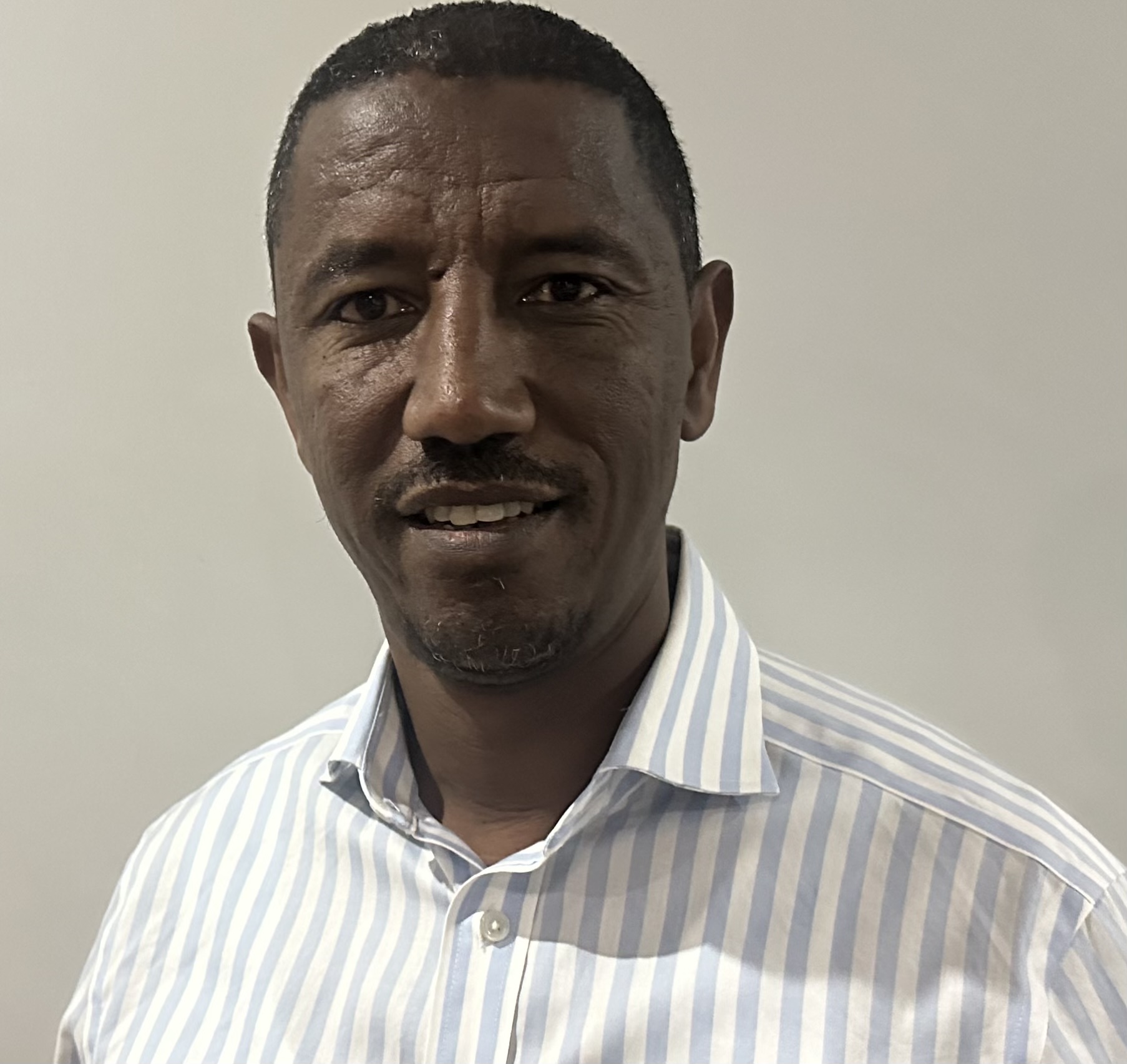
Dr. Abiyou Kiflie Alemayehu
Focus: Orchestrating a National Movement for Healthcare Quality (2013–Present)
From a Single Vision to a National Standard
In 2013, Dr. Abiyou Kiflie Alemayehu stood alone as the first and only representative of the Institute for Healthcare Improvement (IHI) in Ethiopia. His mission was daunting: to take the science of global health improvement and translate it into a strategy that could serve a nation of more than 100 million people.
What began as a single vision quickly grew into a movement. Over twelve years, Dr. Abiyou ignited Ethiopia’s National Quality Movement, guiding the country from small pilot projects to the creation of a National Health Care Quality and Safety Strategy that now serves as Ethiopia’s roadmap for safer, more effective care.
Tangible Impact: Turning Vision into Results
Dr. Abiyou’s leadership has delivered measurable improvements in Ethiopia’s most critical health outcomes.
Clinical Excellence: Maternal care bundles in project sites achieved adherence rates above 90%, saving countless lives.
Scale of Change: What began as a pilot now reaches more than 1,600 health facilities nationwide, embedding quality improvement at the heart of the health system.
System Transformation: His work expanded beyond maternal health to include chronic disease care, pharmacy, laboratory services, and hospital management.
Networks of Care: He pioneered Ethiopia’s first system-wide referral network for mothers and newborns, reducing perinatal mortality by 25% a success now being taken over by the Ministry of Health to scale nationwide and embed in the country’s health system.
Collaboration: Building Bridges Across Boundaries
Dr. Abiyou’s success lies in his ability to bring people together. Starting alone, he became the architect of a national transformation.
Strategic Co-Design: He worked hand-in-hand with Ethiopia’s Ministry of Health and international partners like the Gates Foundation and USAID, ensuring that global resources aligned with Ethiopian priorities.
Bridging the Gap: He united diverse stakeholders from policymakers to frontline providers under a shared language of quality improvement, enshrined in the 2016 National Strategy.
Inspiration and Leadership: Leading from Where You Stand
Dr. Abiyou embodies the power of inspirational leadership.
The Power of One: From a team of one, he built and mentored a group of 30 dedicated professionals, instilling a culture of excellence and resilience.
Frontline Empowerment: He championed the belief that every health worker no matter how marginalized has the power to drive change, inspiring thousands to lead from their own positions.
Sustainability and Learning: Building for the Future
Dr. Abiyou’s vision was never about short-term gains; it was about lasting transformation.
Institutional Legacy: He co-developed Ethiopia’s National Quality and Safety Strategy (2021–2025), embedding improvement into government policy.
Peer Learning Networks: He established systems where providers learn from one another, using data to drive continuous improvement long after funding cycles end.
Equity and Inclusion: Giving Voice to the Unheard
At the heart of his work is a simple but profound belief: every person deserves respectful care.
Dignity in Delivery: He shifted the national conversation toward respectful, dignified care for women and families who are too often unheard.
Geographic Equity: By scaling quality improvement to 365 districts—covering 40% of the country.
Reflection: Lessons in Resilience
Dr. Abiyou’s journey has been marked by humility, resilience, and a commitment to learning.
Adapting the Science: He has shown that improvement science succeeds only when rooted in local context.
Education for the Future: He helped establish Ethiopia’s first Master’s Program in Healthcare Quality, creating a pipeline of homegrown leaders.
Closing Statement
Dr. Abiyou Kiflie Alemayehu has proven that with persistence, partnership, and vision, it is possible to transform an entire health system. His story is not just Ethiopia’s success, it is a blueprint for the world, showing that healthcare quality is both a science of the mind and a journey of the heart.
His 12-year journey is an inspirational testament to the power of Improvement Science when it is anchored in local leadership, resilience, and an unwavering belief that every mother and newborn deserves to flourish.