


Tao Xu
Mount Sinai Hospital; USA
Amanda Tan
SingHealth; Singapore
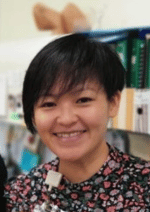
Passionate about improvement science and person-centred care, Amanda plays an active role in driving person-centred care initiatives in the SingHealth Centre for Person-Centred Care (CPCC), working closely with local and international partners to raise awareness and spread person-centred care practices. She also co-leads the innovation unit of the ESTHER Network Singapore, and is part of the teaching faculty for the ESTHER Coach workshop since 2018.
Amanda is also a Senior Manager in the Allied Health Division, Singapore General Hospital (SGH), providing leadership for the administration and planning of Allied Health strategies and analytics. Amanda holds a Bachelor of Engineering (Hons) in Industrial & Systems Engineering from the National University of Singapore (NUS) and a Master of IT in Business (Analytics) from the Singapore Management University (SMU).
S23: Cultivating a culture of continuous improvement and patient safety
Friday 15 August 2025 | 15:20-15:45
Format: Presentation
Stream: People
Part 1: From Concept to Impact: Designing a QI Framework and Training Programme Inspired by the IHI Dosing Approach
Jurong Health Campus (JHC), a new healthcare system with a focus on Quality and Patient Safety, recognised the importance of establishing an organisation wide practice of Quality Improvement (QI).Referencing the IHI white paper “Sustaining Improvement” (Scoville R. et al), we developed our QI framework tailored to our local organisation roles, then designed QI training using the IHI dosing approach. The goal was to achieve the tipping point of 25% staff trained in QI (Centola D. et al).Beyond training, the QI team coached, monitored and tracked QI projects for improvements. As of March 2024, 22% of staff have been trained in at least 1 QI Programme in JHC, with increased quantity and quality of QI project submissions.
Our journey was published on BMJ Open Quality in Sept 2024 titled “Building capacity and capability for quality improvement: insights from a nascent regional health system
Key session outcomes:
1. Understand the importance of a structured QI framework based on organisation roles
2. Learn how to apply the dosing approach to tailor QI training to different staff level roles
3. Identify key strategies to support sustainable QI capacity and capability within healthcare institutions
Ng Yan Jun Ng Teng Fong General Hospital; Singapore
Kelvin Lew Ng Teng Fong General Hospital; Singapore
Part 2: Empowered Care: Improving Healthcare Quality Through Patient Engagement Tools
This engaging campfire-format session will provide delegates with an innovative perspective on using Patient-Reported Experience Measures (PREMs) as a tool to verify the implementation of patient safety protocols by healthcare professionals.
The session is designed to foster interactive learning through a combination of expert presentations and practical exercises.
Presentation 1: The first speaker will highlight the critical need for integrating clinical PREMs into patient safety frameworks.
Presentation 2: The second speaker will share insights from our experience co-producing validated, context-specific clinical PREMs tailored to patient safety initiatives.
Following each 10-minute presentation, delegates will participate in a DIY workshop. Participants will work collaboratively to design PREM questionnaires for a clinical care area related to patient safety.
By the end of this session, delegates will be equipped with practical skills and a structured approach to develop customized PREM tools for use in their organizations.
Key session outcomes:
1. Understand innovative method of using PREMs
2. Co-produce context-specific PREMs questionnaire with patients
3. Master validation of the PREMs tools
Lallu Joseph Christian Medical College; India
Rahul Deshmukh Medcare Orthopaedics and Spine Hospital; Dubai
Part 3: Impact of Ensure Safer Systems Program on Clinical and Environmental Safety in Singapore
Singapore’s Ensure Safer Systems (ESS) is a joint initiative between the Ministry of Health (MOH), Joint Commission International (JCI), and the public healthcare institutions. It aims to create sustainable quality improvement and patient safety systems through fostering high reliability leadership, empowering workforce, and assessments using internationally recognized yet locally contextualized standards. Now in its third year, the ESS program has demonstrated measurable impact on leadership engagement, safety culture, and outcomes in both clinical and environmental safety. The session will discuss interim national and institutional results, with a highlight on the National Facility Management & Safety (FMS) Workgroup as an exemplar of cross-institutional learning and collaboration.
Key session outcomes:
1. Strengthen quality and safety systems by adopting high reliability leadership practices and internationally aligned, locally relevant standards.
2. Empower healthcare teams through structured assessments and workforce engagement to drive measurable improvements in safety culture and outcomes.
3. Foster cross-institutional collaboration by leveraging national workgroups like the Facility Management & Safety (FMS) initiative to share learning and scale best practices.
Soon Kee Lim Ministry of Health; Singapore
Oviliani Wijayanti Joint Commission International; Singapore
Lallu Joseph

Christian Medical College; India
Dr. Lallu Joseph is the Quality Manager and Associate GS of Christian Medical College, Vellore, which is the largest hospital in the country to be accredited by NABH. Prior to joining healthcare, she was the vice president of a software company and was a teaching assistant at Rotman School of Management, University of Toronto. A Mechanical Engineer by profession, she went on to complete her masters and doctorate in business administration, Diploma in CQI from the Canadian Healthcare Administration and Executive General Management from Indian Institute of Management (IIM), Bangalore.
A passionate teacher and trainer, she is involved in training quality implementation across the country through NABH,CAHO, AHPI and hospital administration programs. She is the principal assessor of NABH and National Secretary General of the Consortium of Accredited Healthcare Organizations (CAHO), India. She is a board member of the Asian Society for Quality (ASQua), NABH and member of the working group of ISO TC 304- Healthcare Quality Management Standards. She has many book chapters and publications to her credit and was part of developing the entry level guidelines of NABH standards, a joint initiative of NABH and world bank. She was involved in overseeing the implementation of QMS in selected Government Hospitals of Karnataka through Consortium of Accredited Healthcare Organizations (CAHO) as part of a world bank funded project and a part of the task force of Karnataka Knowledge Commission Implementation on procedural costing. She developed the Basic and advance Certified Professionals for Quality Implementation in Hospitals (CPQIH) programs for CAHO, which are well sought after.
S22: Strengthening patient safety and reliability
Friday 15 August 2025 | 15:20-15:45
Format: Presentation
Stream: Safety
Part 1: When Immediate Risks Need Immediate Solutions. Safety Action Team – Sustainable Oversight of Immediate Risk and Proactive Improvements in Care
Following an increase in the number of serious adverse events our facility implemented a task force, and the creation of an immediate risk mitigation team (Safety Action Team (SAT)) that has consistently met twice weekly for more than 18 months. We will discuss how this team consisting of a collaborative group of senior clinicians and both senior executive and hospital management has been able to transform and sustain a patient safety culture that has both reduced the number and type of serious adverse events and provided an ongoing forum for the discussion of shared clinical concerns for facility wide immediate risk mitigation.
Helen Crowther Blacktown Mt Druitt Hospital; Australia
Part 2: Building safety and reliability in Regenerative Medicine
Regenerative medicine is a new treatment that has been highly anticipated, and private clinics and regenerative medicine-related products are gaining popularity in Japan. However, as its popularity grows, concerns about safety and reliability are also increasing, and there are cases where the quality of medical care has declined. For this reason, the safety and reliability of regenerative medicine have emerged as important issues. In Japan, the “Act on Comprehensive Promotion of Measures to Ensure that the Public Can Receive Regenerative Medicine Promptly and Safely (Regenerative Medicine Promotion Act)” was enacted in 2013 to promote regenerative medicine through policy.
Based on the many achievements obtained through the Special Certified Regenerative Medicine Committee, where I serve as a technical evaluation committee member, I will consider the establishment of safety and reliability of regenerative medicine and regenerative medicine-related products in Japan.
Hisashi Takeuchi Japan Society of Advanced Medical Sciences; Japan
Part 3: Research-embedded co-design as an approach to developing more sustainable medication safety interventions
In this session we will discuss how co-design, as an established collaborative method where healthcare staff and patients are involved, is an effective approach to developing more sustainable medication safety interventions. Delegates will gain a richer understanding of co-design and specifically, experience-based co-design (EBCD), and how a key benefit is ensuring that improvements developed are grounded in users lived experiences. This approach leads to interventions which are more sustainable in the current healthcare climate, thus are more likely to be implemented in clinical practice.
During the session, we will present two multi-stage intervention development research studies, MEDS-MADE and RESI-Med. Both examples started with literature review and qualitative research underpinned by a theoretical framework, then moved on to intervention development via co-design.
The session will also explore what works, what doesn’t work so well, why co-design with patients and healthcare staff is fundamental to developing interventions for clinical practice, and hear delegates co-design experiences.
Hadeel Mohamed University of Bradford; United Kingdom
Beth Fylan University of Bradford and National Institute for Health and care Research (NIHR) Patient Safety Research Collaborative; United Kingdom
S21: Harnessing digital innovation for patient-centered healthcare transformation
Friday 15 August 2025 | 15:20-15:45
Format: Presentation
Stream: Change
Part 1: Journey to Digital Health: Lessons from Implementing the Novel Paperless Uganda EMR+ in Kampala Uganda
This session will cover the implementation of Uganda’s first paperless Electronic Medical Records (EMR) system, UgandaEMR+, in Kampala. We will focus on how digital health solutions can improve data management, clinical workflows, and patient care in resource-limited settings. Key discussions include stakeholder engagement, phased deployment, and continuous quality improvement through feedback. By sharing lessons learned, the session will demonstrate how UgandaEMR+ addressed common healthcare challenges and drove sustainable improvements. Delegates will gain insights into how digital transformation can significantly enhance healthcare delivery by improving data management, clinical workflows, and patient outcomes.
Emmanuel Sendaula Reach Out Mbuya Community Health Initiative; Uganda
Part 2: Accelerating Quality Improvement with AI: Leveraging on a Custom GPT Model for Quality Improvement Planning
In this session, participants will explore how a custom Generative Pre-Trained Transformer (GPT) model can streamline healthcare project planning by guiding teams through the creation of essential planning tools such as Theory of Change, Driver Diagrams, and Logic Models. The session will include a live demonstration of the GPT model and an interactive activity, allowing attendees to experience firsthand how AI technology can reduce planning time, improve project clarity, and foster cross-team collaboration. Ideal for healthcare professionals, project managers, and quality improvement teams, this workshop will showcase the transformative potential of AI in driving better project outcomes, enabling participants to implement these tools in their own organisations.
Ng Yeuk Fan Yishun Health; Singapore
Part 3: Advancing Patient-Centered Care through Innovation: A Path to Enhanced Healthcare Delivery
Discover how innovative approaches like CoCare, Digital Twins, and advanced digital applications can transform patient safety and healthcare outcomes. This session delves into bridging communication gaps between healthcare providers and patients, emphasizing shared decision-making, patient engagement, and overcoming barriers such as cost, adherence, and accessibility. Drawing from a mixed-methods study across diverse populations and healthcare systems, the session reveals key findings and actionable strategies. Attendees will learn how collaborative care models and cutting-edge technologies can elevate safety, foster trust, and enhance personalized care. Ideal for healthcare professionals, policymakers, and innovators, this presentation offers practical insights to improve patient satisfaction and health outcomes while reducing risks. Join us to explore a path toward achieving excellence in patient-centered care.
Supriya Sarkar Shalby Hospitals; India
S20: Empowering communities for preventive healthcare and well-being
Friday 15 August 2025 | 13:25-14:50
Format: Presentation
Stream: Populations
Part 1: A Technology-Enhanced Falls Prevention Intervention for Community-Dwelling Older Adults: A Fandomised Controlled Trial
Falls among older adults are a growing global challenge with significant health and economic implications. This session introduces SAFE-TECH, an innovative, technology-enhanced, multi-domain intervention that targets the complex risk factors of falls in older adults. By combining wearable sensor technologies with personalised interventions, SAFE-TECH offers a data-driven approach to identifying and mitigating falls risk.
Attendees will gain an understanding of the SAFE-TECH randomised controlled trial, including its design and conceptualisation, shaped through multiple engagements with stakeholders. This collaborative approach ensures the intervention aligns with the needs of older adults and the healthcare systems that serve them. At this point of writing, we have recruited 140 participants of which, 70 are undergoing active intervention. We will also be sharing our preliminary findings of our study during the conference where we expect to have results for at least 200 participants. Our pilot study suggests improvements in physical function and reductions in fear of falling, demonstrating the impact of integrating technology and personalised interventions into preventive healthcare.
Key session outcomes:
1. Designing and implementing tailored, falls prevention community-based interventions.
2. Harnessing technology for risk assessments and outcome measurements.
3. Leveraging stakeholder input for trial design.The impact of such interventions on health outcomes and quality of life
Angelique Chan Duke-NUS Medical School; Singapore
Part 2: Health Together: Improving Health Literacy Through Empowering Volunteers in the Community
Increasing health literacy through community volunteers is a key strategy for the National University Health System (NUHS), in developing healthy communities in the western region of Singapore. With Singapore fast becoming a super-aged society and increasing chronic disease burden, there is an urgent need to increase the population’s health literacy in preventive health and abilities in self-managing chronic conditions.
A novel Volunteer Development Framework was developed and implemented by the NUHS to improve effectiveness, motivation and retention of community volunteers. This Framework guides the development of volunteers in contributing to various roles within the community to improve health literacy, based on their motivation, strengths, abilities, and commitment level. Also, hear firsthand of the lived experience of a volunteer Health Peer on his health empowering journey with residents with diabetes, and the meaningful impact of volunteerism on others and especially himself and family.
Key session outcomes:
1. Understand the critical roles of volunteers in the development of healthy communities in the western region of Singapore.
2. Learn about a novel volunteer development framework to motivate, grow, and empower volunteers in increasing health literacy in the community.
3. Appreciate the lived experience of a volunteer in his Health Peers journey with residents living with diabetes.
Vanessa Koh National University Health System; Singapore
Jonas Ng Patient representative; Singapore
Part 3: What is a Good Life? – Co-creating health goals with residents through the Local Area Coordination and Empowerment (LACE) programme
Join us for an engaging presentation on the Local Area Coordination and Empowerment (LACE) Programme, a transformative initiative by the SingHealth Centre for Person-Centred Care (CPCC) and the National Heart Centre Singapore (NHCS). This session will delve into the person-centred approach of the LACE Programme, which emphasizes empowering residents to co-create their health goals. We will also evaluate the training curriculum to demonstrate its effectiveness in fostering behaviour change. This session is ideal for those interested in implementing a strength-based, person-centred approach in community work, enhancing the quality of care and support for residents.
Key session outcomes:
1. List the person-centred features of the LACE Programme.
2. Describe the evaluation step of the LACE Programme.
3. Understand the role of person-centred care in program adaptation.
Meng Xiankun SingHealth Centre; Singapore
Meng Xiankun
SingHealth Centre; Singapore
Speaker bio to follow.
Angelique Chan
Duke-NUS Medical School; Singapore
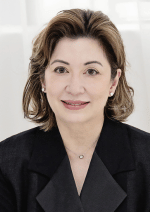
A/Prof Angelique Chan holds joint tenure appointments as Associate Professor in the Signature Programme in Health Services and Systems Research, Duke-NUS Medical School, and in the Department of Sociology at the National University of Singapore. A/Professor Chan currently serves as the Executive Director of the Centre for Ageing Research and Education at Duke-NUS Medical School. She is also Director of the Tsao Foundation Ageing Research Initiative which is housed within the Department of Sociology. A/Professor Chan has developed and nurtured a strong research portfolio in ageing research. This portfolio contains projects that are multidisciplinary and focus on the following themes: the social determinants of health, caregiving, long term care, dementia, and the evaluation of programmes providing health and community social services to the older adult community. She has led several major projects on ageing in Singapore including large-scale longitudinal national surveys which have led to recommendations in policy research and public policy making. Her work has been published in over 150 journal publications and she has co-edited 3 books related to low fertility (internationally) and population ageing in Singapore. She is extensively involved in international work related to ageing and health of older adults. She is currently Chair of the International Alliance of Research Universities Ageing, Longevity and Health Hub. She currently works with colleagues from the United States, the United Kingdom, Japan, the Philippines, Vietnam, Malaysia, and Indonesia. She has worked as an international expert for the World Bank, the Asian Development Bank, and the United Nations.
S19: Building a resilient and thriving healthcare workforce
Friday 15 August 2025 | 13:25-14:50
Format: Presentation
Stream: People
Part 1: Assessing & Empowering Staff Wellness for Sustainable Joy at Work in Healthcare
Workplace stress has long been recognized as a significant challenge, particularly in healthcare settings. In 2019, the World Health Organization officially identified burnout as a substantial occupational risk factor, highlighting the urgent need for targeted interventions to support workforce wellness. In response to the growing concern over staff well-being, the SingHealth Duke-NUS Institute for Patient Safety & Quality (IPSQ) launched the Resilience in Academic Medicine (RAM) Survey in 2019. This pioneering study was the first in Singapore to evaluate burnout, sleep quality, depression, and empathy among healthcare professionals. The inaugural survey saw participation from 6,048 staff members. A second survey conducted in 2023 expanded its scope, gathering responses from 10,972 participants and introducing a new focus on workplace bullying. These surveys catalyzed the creation of dedicated wellness initiatives, including the establishment of the SingHealth Staff Wellness Council, the Office of Staff Wellness, and Institution-level Staff Wellness Offices. Through these structures, IPSQ has spearheaded efforts to co-develop programs that foster trust, teamwork, empathy, and professional behaviors, with the overarching aim of promoting sustainable joy at work.
Tan Kok Hian SingHealth Duke-NUS Institute for Patient Safety & Quality (IPSQ); Singapore
Part 2: Empowering Teams to Deliver Service Excellence
What does it take to achieve service excellence in healthcare? This session unpacks the essence of service excellence, highlighting its critical role in improving patient satisfaction, team morale, and overall care quality. It is important to explore why empowering teams is fundamental to creating compassionate, efficient, and patient-centered environments.
We will illustrate how fostering a culture of accountability and empathy enables teams to meet and exceed patient expectations. Using case studies, participants will learn actionable strategies for empowering their teams to navigate challenges and deliver exceptional service consistently.
Key takeaways include understanding how empowered teams positively influence patient outcomes, developing practical approaches to embed service excellence into organizational culture, and leveraging cross-industry best practices to enhance healthcare delivery.
Joey Hong
Part 3: Accelerating Growth as One Organisation
Bringing together a diverse workforce through a period of transformation, combined with a single purpose whilst steering the business towards sustainable growth.
Seun Ming Lee Thomson Medical Singapore; Singapore
Part 4: Building a Culture of Excellence: Transforming Quality and Safety in Community Care
Discover how St. Andrew’s Community Hospital (SACH) transformed its approach to quality improvement, reducing fall rates by more than 50%, reducing serious reportable events, and improving clinical outcomes by over 25%.
This session will share practical insights into how SACH revamped its quality framework, strengthened leadership involvement, and empowered staff with the skills to drive sustainable improvement.
Delegates will walk away with actionable lessons on building a culture of safety, optimizing resources, and achieving lasting improvements in clinical outcomes and operational efficiency. Whether you are part of a healthcare team or managing quality initiatives, this talk will inspire you to make quality improvement a priority.
Angel Lee St. Andrew’s Mission Hospital; Singapore